Camarillo, CA
Garage Door Maintenance for Camarillo Homes
Camarillo homes built between 1956 and 1997 wear garage door hardware differently than newer tract construction. See what upkeep actually matters here and when to call a tech.
Popular Services
Can You Do This Yourself
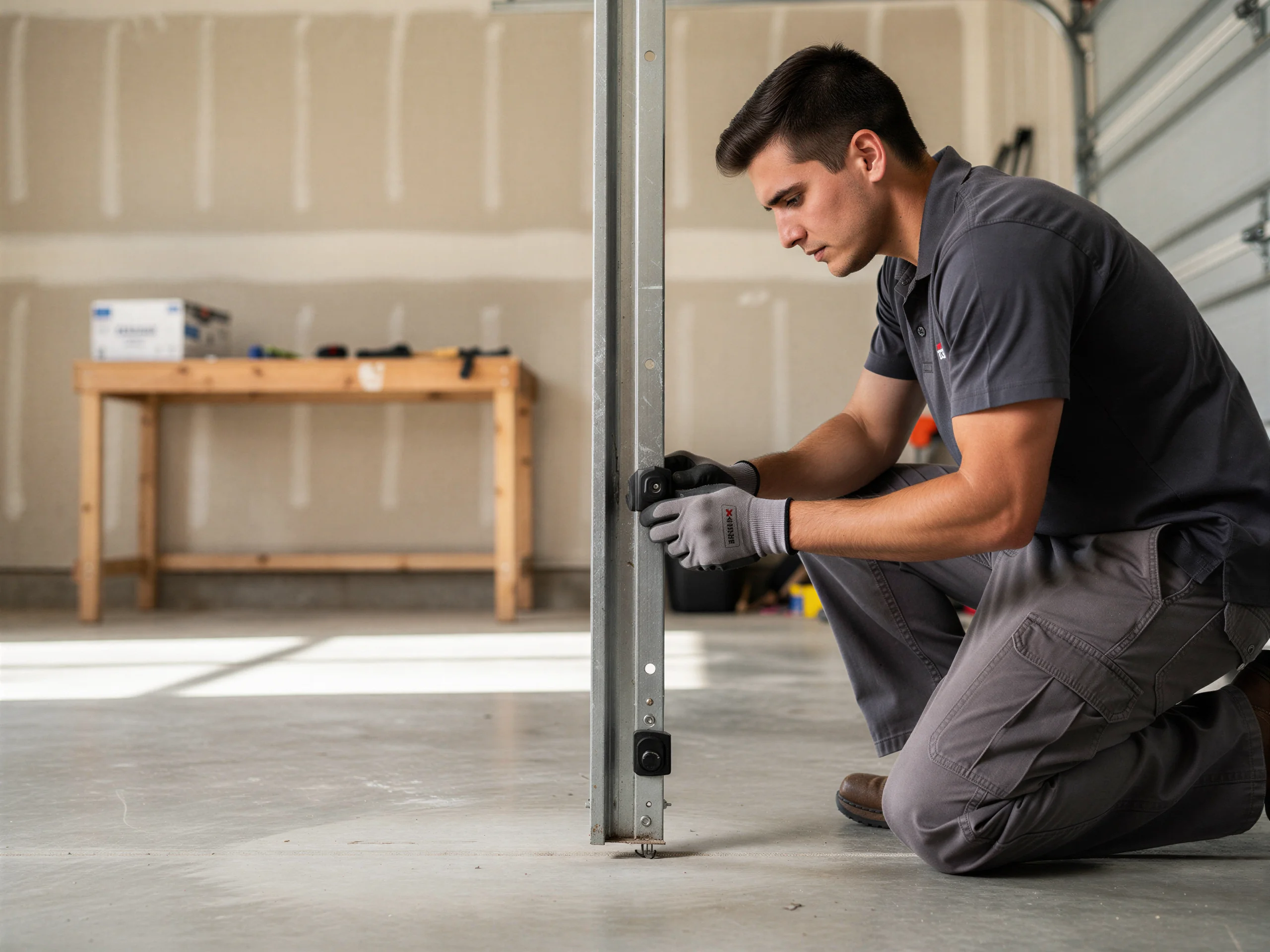
Some of it, yes. Wiping down tracks, checking that the photo-eye sensors aren't knocked out of alignment, and putting a light coat of lithium grease on rollers and hinges twice a year is well within reach for most owners.
Bolt tightening is safe
Tightening loose bolts on the track brackets takes a wrench and ten minutes. What you shouldn't touch is the torsion spring system or anything under tension. That's not a scare tactic - a spring that lets go while you're adjusting it can break a wrist or worse.
Homeowners who call anyway
Across the service area, with 25,364 owner-occupied houses and a median household income of $126,937, we see plenty of capable DIYers who still call us for the spring and cable side of things and handle the rest themselves. That split makes sense. Lubrication and visual checks are maintenance.
Springs aren't maintenance work
Springs are a repair job wearing a maintenance costume. One honest limit: if your opener is older than the door itself, or the door has been repainted more than once, a maintenance visit can tell you what's wearing out, but it can't make 1970s hardware behave like something built last year.
The Symptom
The complaint we hear most across this service area isn't a door that won't open - it's a door that's gotten loud, or one that shudders partway through its cycle before catching again.
Grinding near track top
Owners describe a grinding sound near the top of the track, or a door that looks level but closes with a visible wobble on one side. That's consistent with housing stock built mostly between 1956 and 1997, with a lot of it clustered in the 1960s and 70s across the 14 named areas that make up this market.
Decades-old steel rollers
Original or early-replacement hardware on houses from that era is now 50 to 70 years old in some cases, and steel track and roller assemblies from that period weren't built with today's nylon rollers or sealed bearings.
Overdue lubrication signals
The noise is the hardware telling you it's past its lubrication cycle, or that a roller has worn down enough to ride rough in the track. A second common version: the door reverses on its own partway down, which usually points to a sensor or limit-switch issue rather than the spring itself - worth checking before assuming the worst.
What Causes It Around Here
The mild temperate climate across this service area is actually a point in your favor compared to places with real freeze-thaw cycles or heavy humidity swings - you're not fighting rust from condensation the way some regions do. But mild weather doesn't mean no wear. It means the wear you get is almost entirely mechanical and age-driven rather than weather-driven.
With median home construction landing around 1976, a big share of garage doors and openers in this market are on their second or third opener motor but still riding original track brackets or spring anchor points. Track brackets loosen over decades of thermal expansion and contraction, even in a mild climate, because the door cycles thousands of times a year regardless of the weather outside. Add dust - this is a dry inland-adjacent area - and you get grit working its way into roller bearings that were never sealed to begin with.
So the pattern here isn't storm damage or rust-through, it's cumulative mechanical fatigue on hardware that's simply old, paired with dust intrusion that speeds up roller and hinge wear faster than the same hardware would wear in a wetter, cleaner climate.
Where This Job Goes Sideways
Maintenance turns into a repair call in a few predictable ways. The first is a spring that's already past its cycle life - lubricating a spring that's about to fail doesn't extend its life, it just delays the moment it breaks, usually at a worse time.
Spring wear isn't upselling
If a tech flags uneven spring wear during a maintenance visit, that's not an upsell, it's the whole reason for the visit. The second is track misalignment that's been masked by a worn roller. Replace the roller without correcting the track, and the new roller wears out just as fast as the old one did.
Mixed door configurations
This matters more in a market like this one, where 51,208 households span a wide range of house ages and track-and-bracket configurations - there's no single fix that applies to every door, because there's no single era of door out there.
Unserviceable original gear-sets
The third: opener gear-sets on original 1970s and 80s motors sometimes can't be serviced at all. Parts for openers that old are often discontinued, and at that point maintenance stops being the right conversation - replacement is. We'll tell you when that's the case instead of billing you for a maintenance visit that won't hold.
Questions
Common questions
How often should I schedule garage door maintenance in Camarillo?
Twice a year is reasonable for most houses in this service area, given how much of the housing stock dates back to the 1960s and 70s. If your door is noisy or sticking, don't wait for the scheduled visit - catching a worn roller or loose bracket early is cheaper than letting it wear the track.
Does Camarillo's climate mean I need less maintenance than other areas?
The mild temperate climate here means less rust and weather damage than you'd see elsewhere, but it doesn't reduce mechanical wear from age and cycling. Older hardware still needs lubrication and inspection regardless of how dry or mild the weather's been.
Can a maintenance visit tell me if my opener needs replacing?
Yes. If your opener dates to the original construction era of your house, a tech can usually tell during a routine visit whether the gear-set is still serviceable or whether parts are no longer available, which is common on openers from the 1970s and 80s.
Explore more
Explore More Services In Camarillo, CA
Camarillo Garage Door Service for Houses Built the Year Your Spring Was Installed
Camarillo homes built mostly between 1956 and 1997 still run original torsion springs and rollers. Learn more →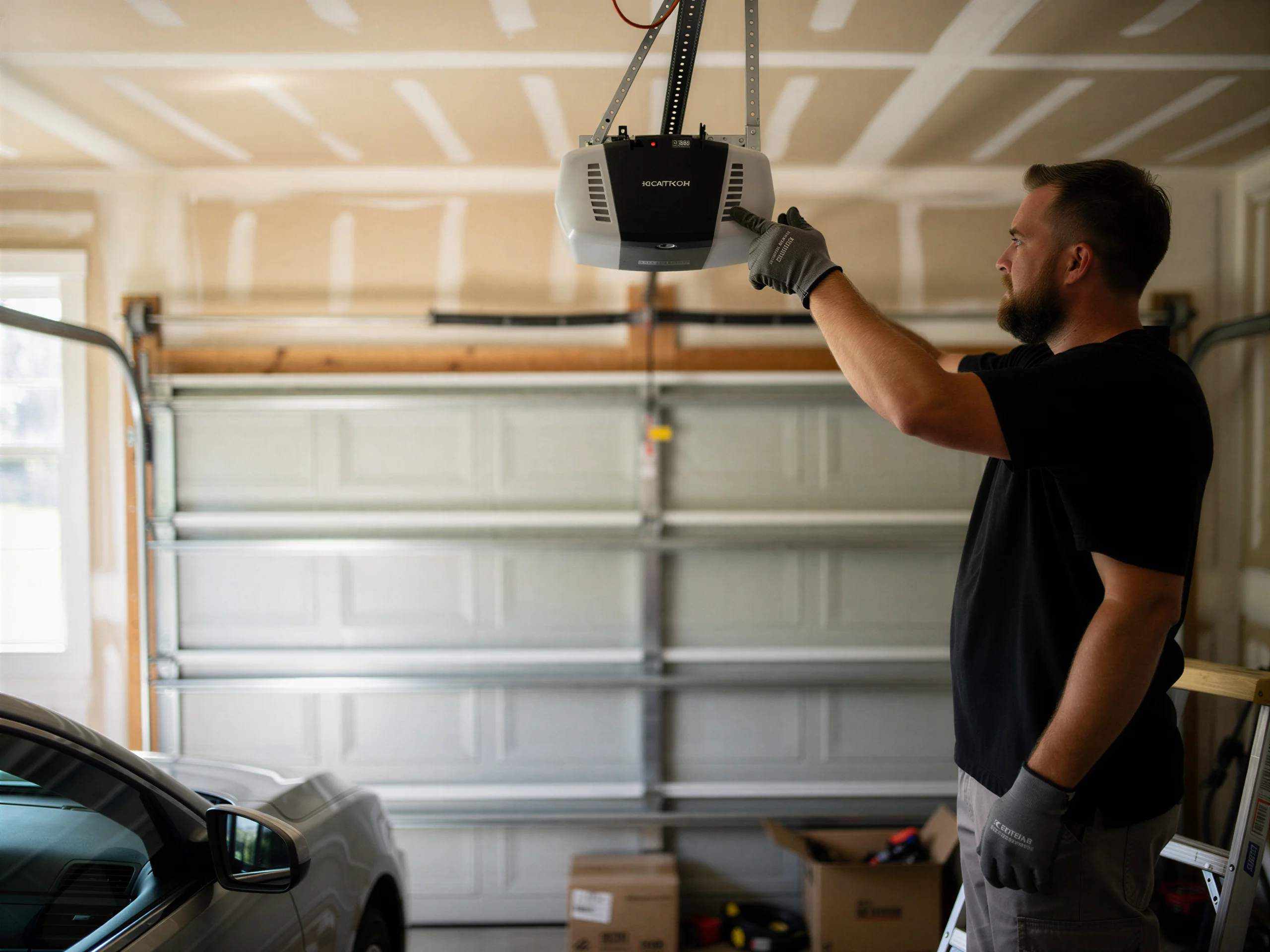
Garage Door Opener Repair for Camarillo Homes
Opener grinding, reversing, or dead on arrival? Learn more →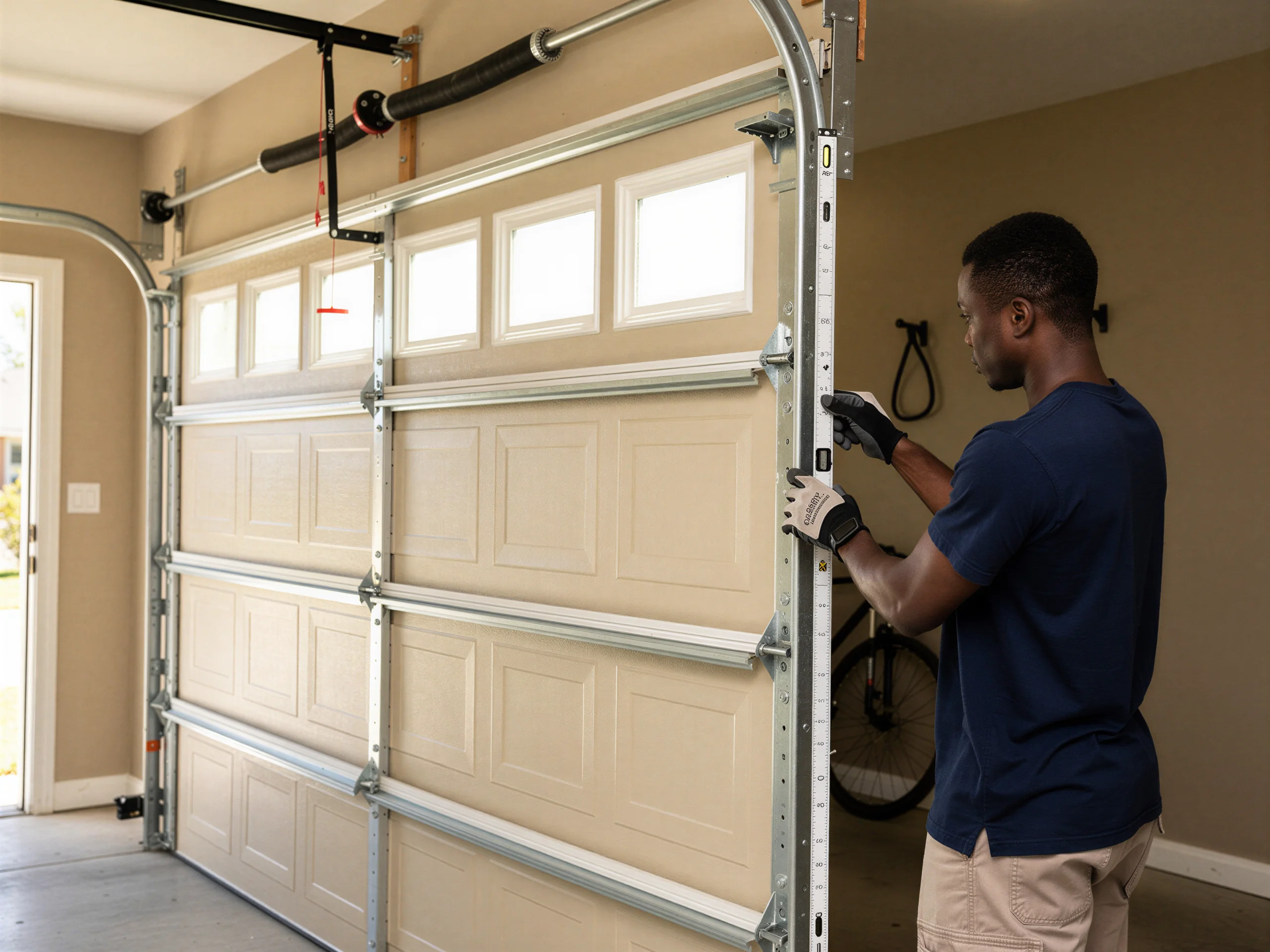
Garage Door Repair for Camarillo's 1960s-70s Housing Stock
Garage door repair in Camarillo, CA for houses built 1956-1997. Learn more →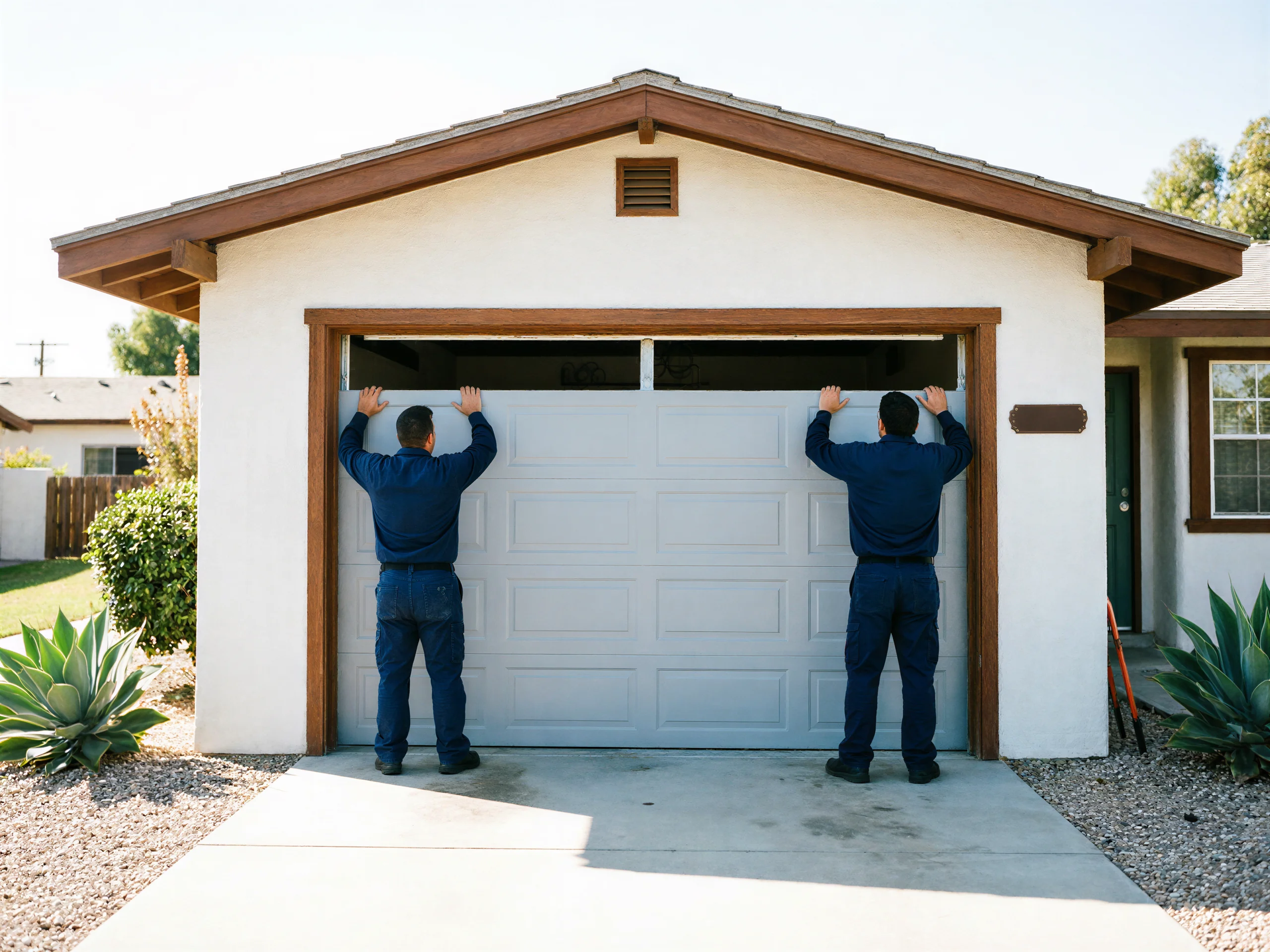
Replacing a Garage Door in Camarillo: What the Housing Stock Here Actually Needs
Camarillo's housing stock runs 1956 to 1997, median 1976, which means a lot of original doors and openers are past their working life. Learn more →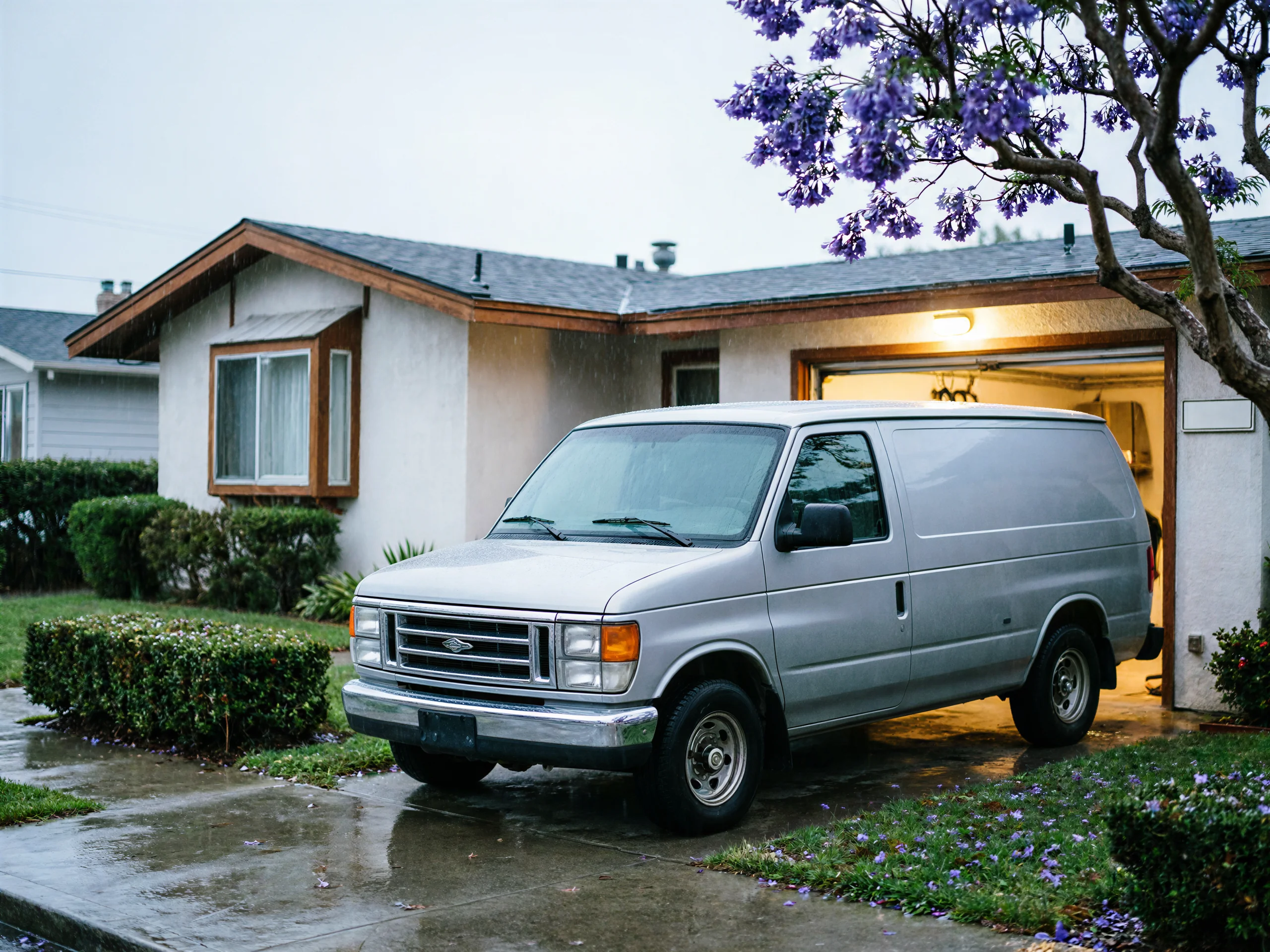
Emergency Garage Door Repair Across Camarillo
Broken spring, off-track door, or dead opener in Camarillo. Learn more →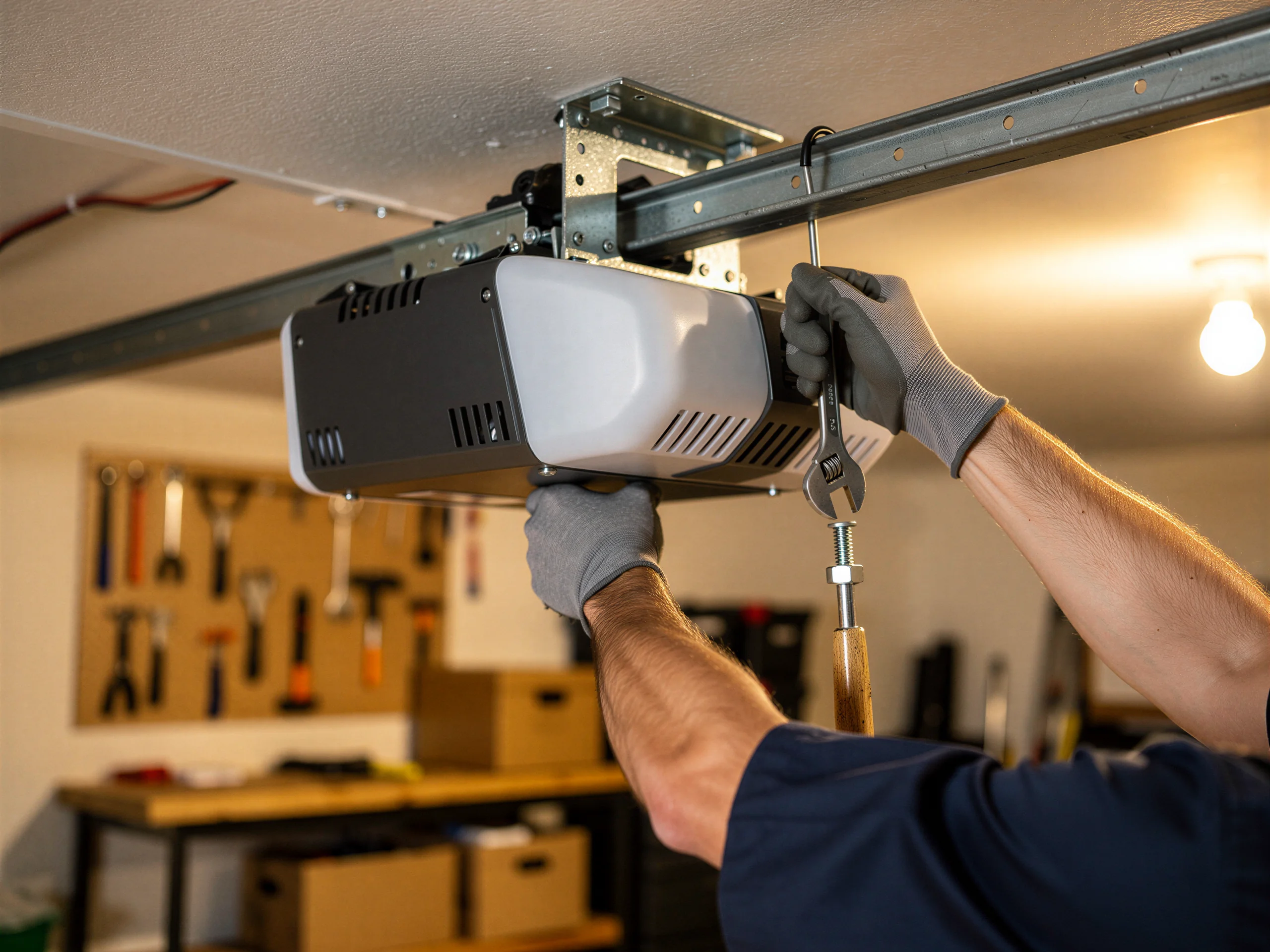
Garage Door Opener Installation, Camarillo
Opener installation for Camarillo homes built mostly between 1956 and 1997 - older chain-drive units, mismatched remotes, and openers that outlived their gears. Learn more →Ready when you are
Need a garage door sorted in Camarillo?
Camarillo Garage Door Pros repairs and installs garage doors, springs and openers in Camarillo, CA and the surrounding area.