Camarillo, CA
Camarillo Garage Door Service for Houses Built the Year Your Spring Was Installed
Camarillo homes built mostly between 1956 and 1997 still run original torsion springs and rollers. We service, adjust, and repair what that hardware is doing now.
Popular Services
Can You Do This Yourself
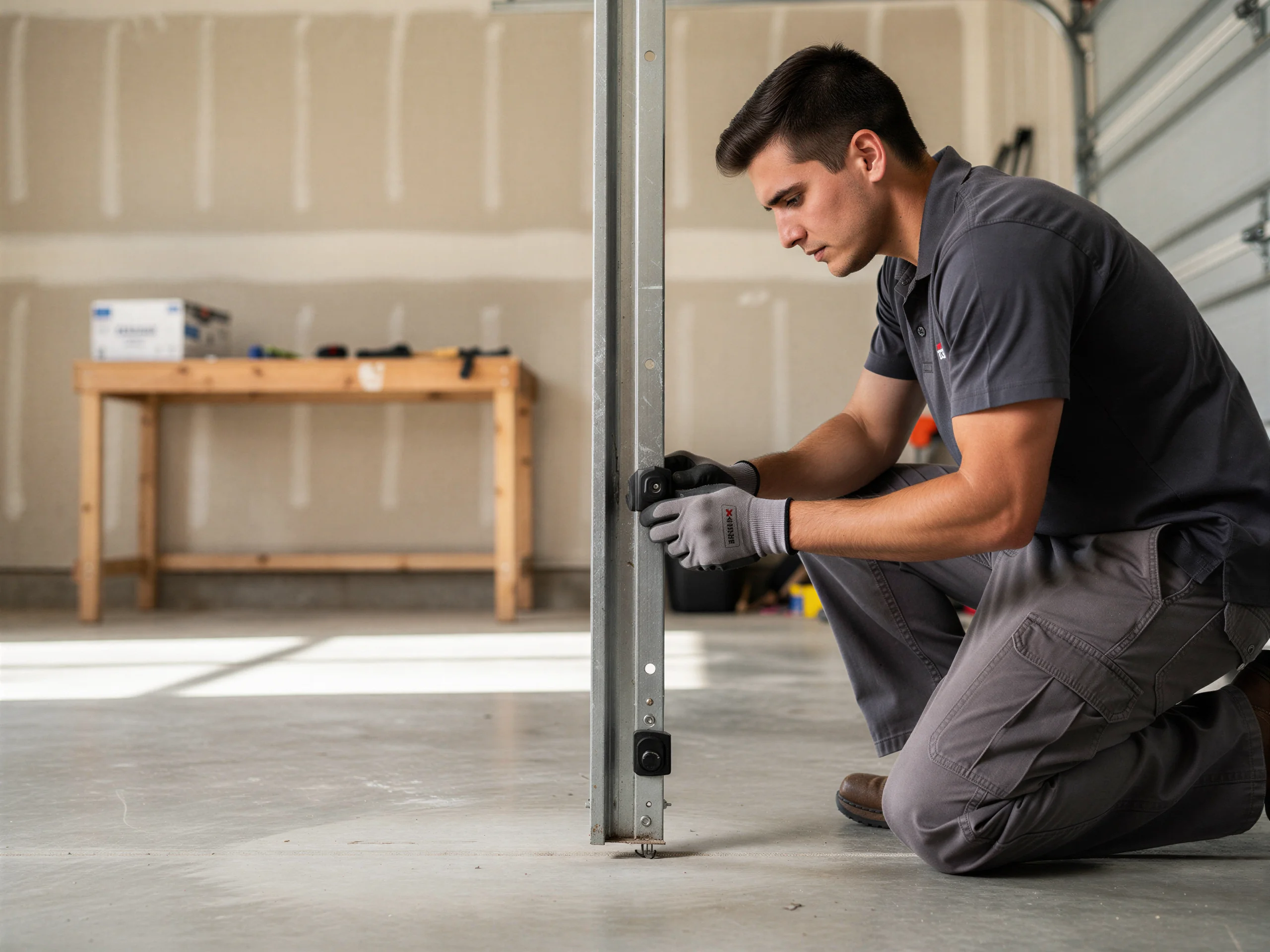
Lubricating hinges, tightening loose track bolts, and testing the auto-reverse sensor are jobs you can do with a stepladder and twenty minutes. Camarillo's mild temperate climate means you're not fighting ice on the track or swollen wood panels most of the year, so basic maintenance stays basic.
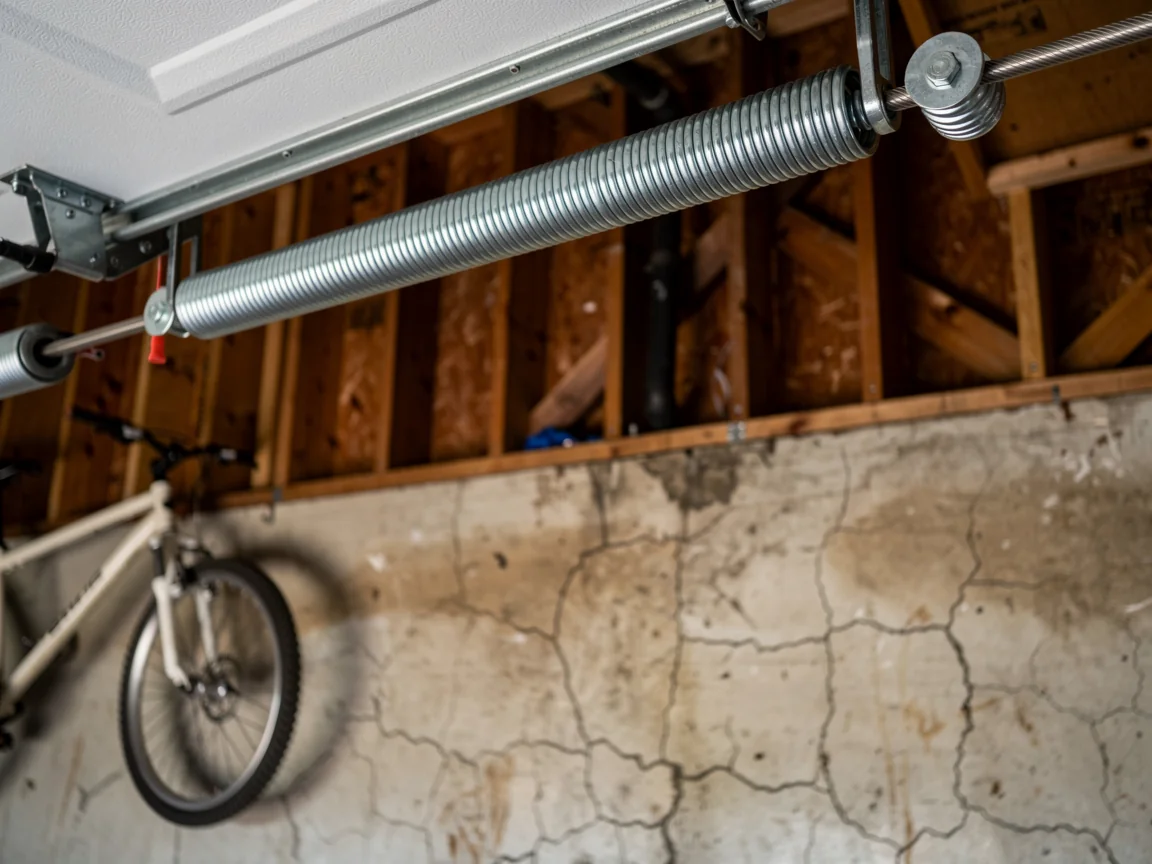
What you shouldn't touch is the torsion spring over the door, or anything with a cable wound under tension. On a standard double door that spring is holding back a couple hundred pounds, and a slipped winding bar has taken fingers off people who knew better. If your door is from the original build - which in a lot of this area means a design from the 1960s or 70s - the hardware wasn't made to today's cycle-life spec, and guessing at a fix can turn a $200 repair into a full replacement.
If the door moves but sounds wrong, or moves unevenly on one side, that's a call-us job, not a YouTube job.
The Symptom
The complaint we hear most from this area: the door starts up fine, then stalls a third of the way and reverses, or it opens with a loud bang from one side of the header.
Door stuck, motor straining
Sometimes it's a door that flat out won't lift, with the opener motor straining and clicking. This isn't random. Camarillo's housing stock runs mostly 1956 to 1997, with the median build year landing around 1976 across the fourteen named neighborhoods in the service area.
Median house age
A door installed anywhere near that median has had roughly fifty years of open-close cycles on its original torsion spring, even if the opener itself got swapped out at some point.
Spring past rated life
Springs are rated in cycles, not years, and a well-used door in a house that age is well past the spring's rated life whether anyone's replaced it or not.
What Causes It Around Here
Mild temperate conditions are actually part of the story, just not the way people expect. Without hard freezes or heavy humidity swings, steel springs and rollers here don't rust out or seize the way they would in a harsher climate - they just fatigue from straight use. That means failure tends to be gradual: a little more noise each month, a little more lag before the door catches, until one day the spring lets go on a Tuesday morning.
The other piece is what came standard when these houses were built. A house from the 1960s or 70s original stock usually got a single torsion spring sized for the door weight of that era, often paired with lighter-gauge rollers than you'd see installed today. Across the fourteen areas we cover, that generation of hardware is the common thread, not any one street or subdivision. Garage doors replaced since then are a mixed bag - some updated, some running original springs on a newer opener bolted on top, which is its own kind of mismatch.
Where This Job Goes Sideways
The job gets harder when the spring isn't the only thing original. We'll pull the spring size off the end cone, get a replacement that matches the door weight, and swap it - that part's routine.
Bent track, worn cables
Where it turns into a longer job is when the track is also bent from decades of a slightly undersized spring working too hard, or the drum cables have spun thin from riding uneven.
Panel damage beyond repair
Honest limitation: if the door panels themselves are original steel from a 1960s or 70s build and they've started denting or rusting through at the bottom, we'll tell you straight that spring and hardware repair won't fix a door that's structurally done.
Repeat calls add up
At that point replacement costs less over time than repeat service calls. We'd rather say that up front than keep billing you for patches on a door that's earned retirement.
Questions
Common questions
Why does my garage door reverse halfway up instead of opening all the way?
Usually a worn or under-tensioned torsion spring, common in Camarillo on original hardware from houses built in the 1956-1997 range. The opener strains to compensate, hits its force limit, and reverses to protect the motor. It gets worse, not better, so it's worth a look before the spring fails outright.
Is it the opener or the spring?
If the motor runs but the door barely moves or groans, that's almost always the spring doing less work than it should. If the opener doesn't respond at all, check power and the wall switch first. We diagnose which one it is on the service call rather than guessing over the phone.
How long do original garage door springs actually last?
Springs are rated by cycle count, not age. A door original to a house built around the 1976 median for this area has typically seen enough open-close cycles to be well past a standard spring's rated life, even without obvious damage.
Explore more
Explore More Services In Camarillo, CA
Garage Door Maintenance for Camarillo Homes
Camarillo homes built between 1956 and 1997 wear garage door hardware differently than newer tract construction. Learn more →
Emergency Garage Door Repair Across Camarillo
Broken spring, off-track door, or dead opener in Camarillo. Learn more →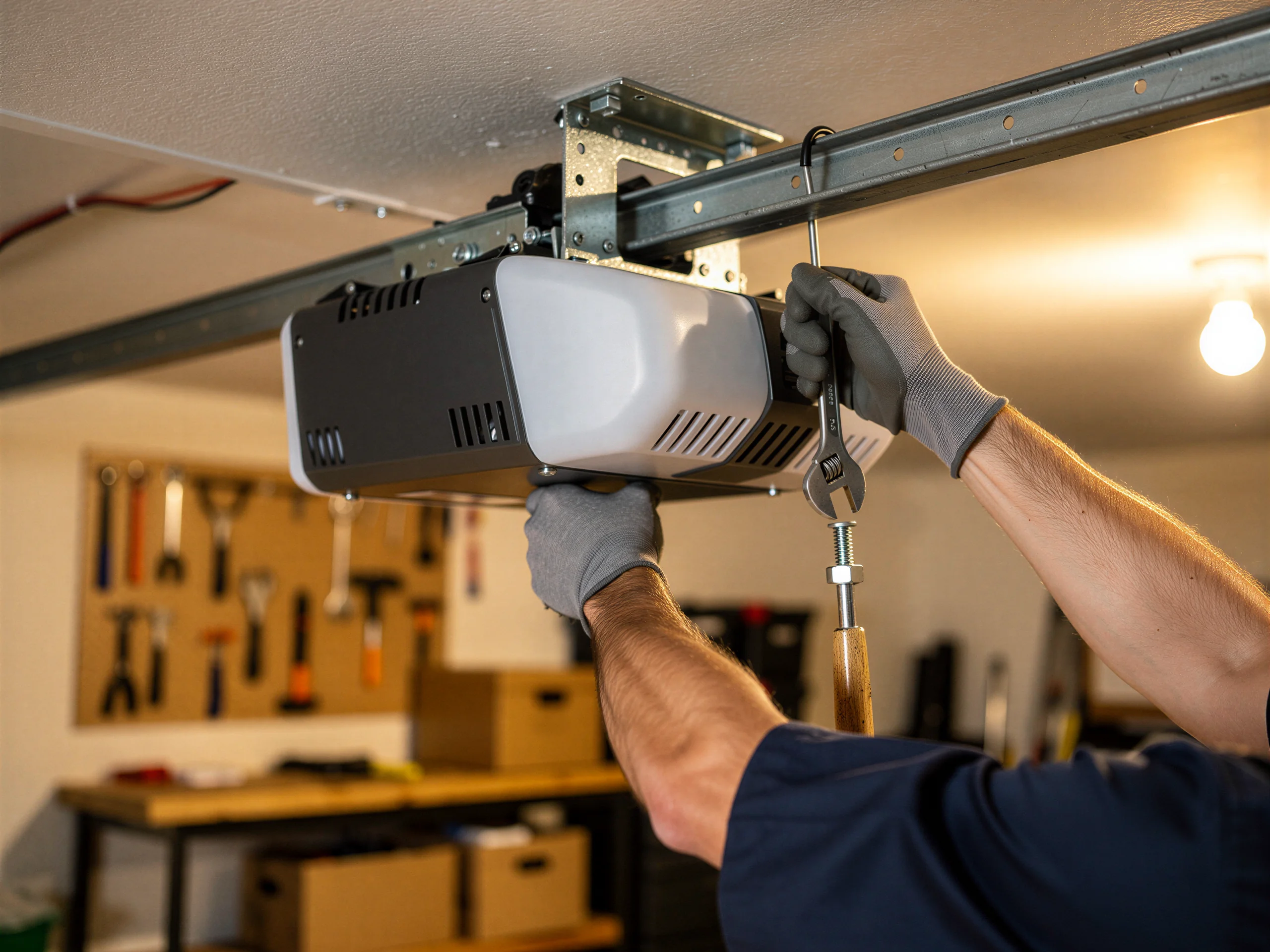
Garage Door Opener Installation, Camarillo
Opener installation for Camarillo homes built mostly between 1956 and 1997 - older chain-drive units, mismatched remotes, and openers that outlived their gears. Learn more →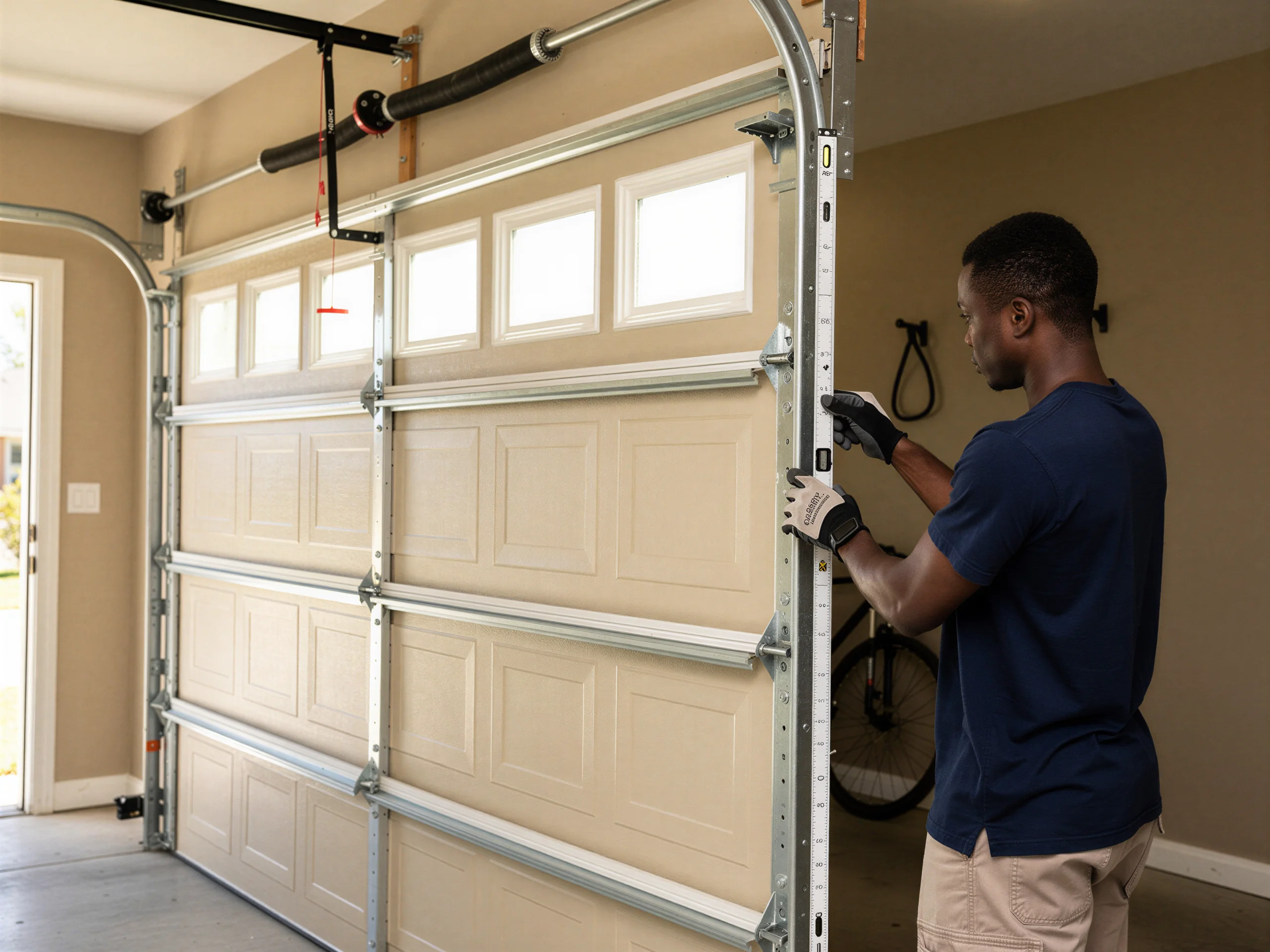
Garage Door Repair for Camarillo's 1960s-70s Housing Stock
Garage door repair in Camarillo, CA for houses built 1956-1997. Learn more →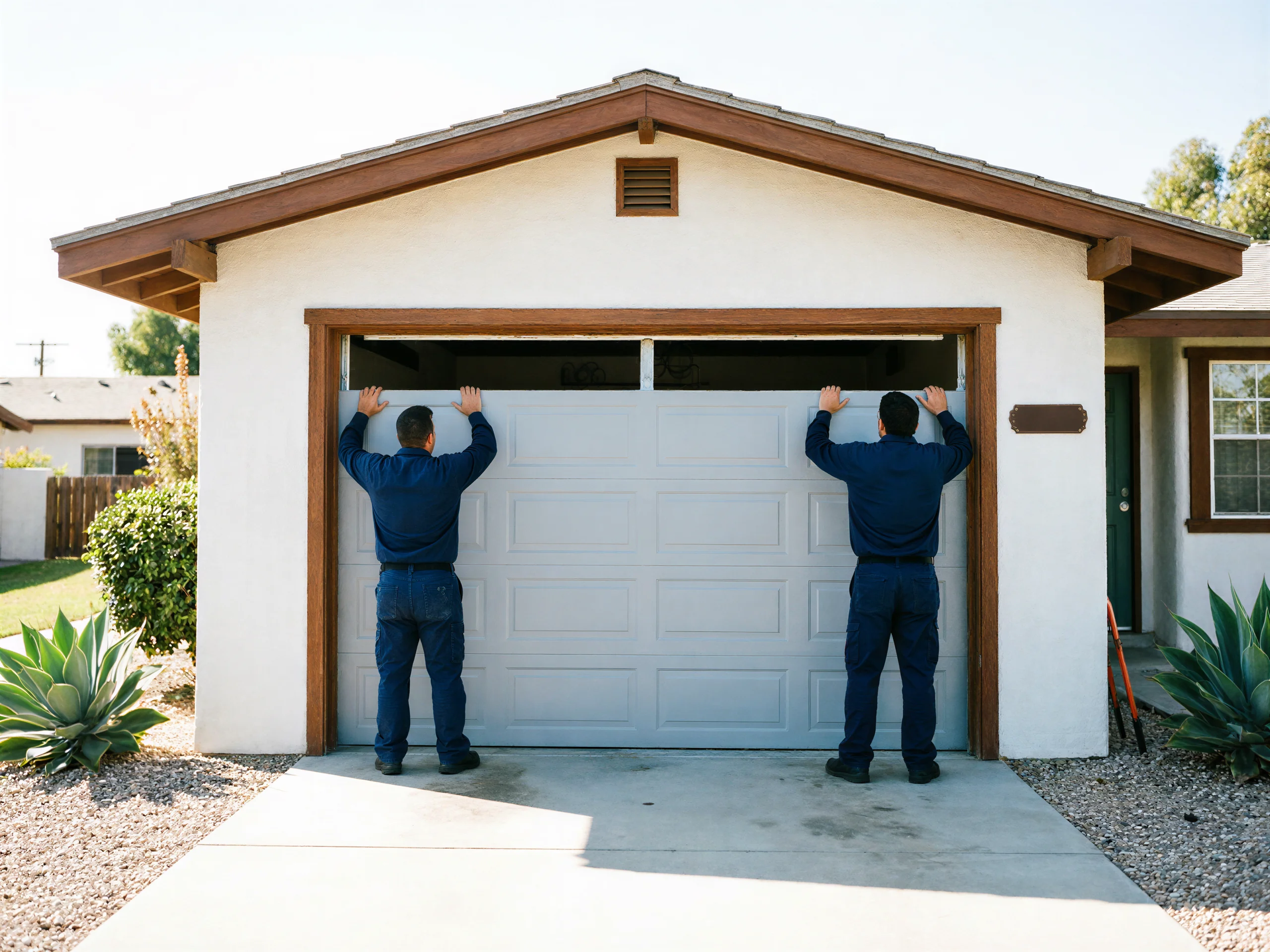
Replacing a Garage Door in Camarillo: What the Housing Stock Here Actually Needs
Camarillo's housing stock runs 1956 to 1997, median 1976, which means a lot of original doors and openers are past their working life. Learn more →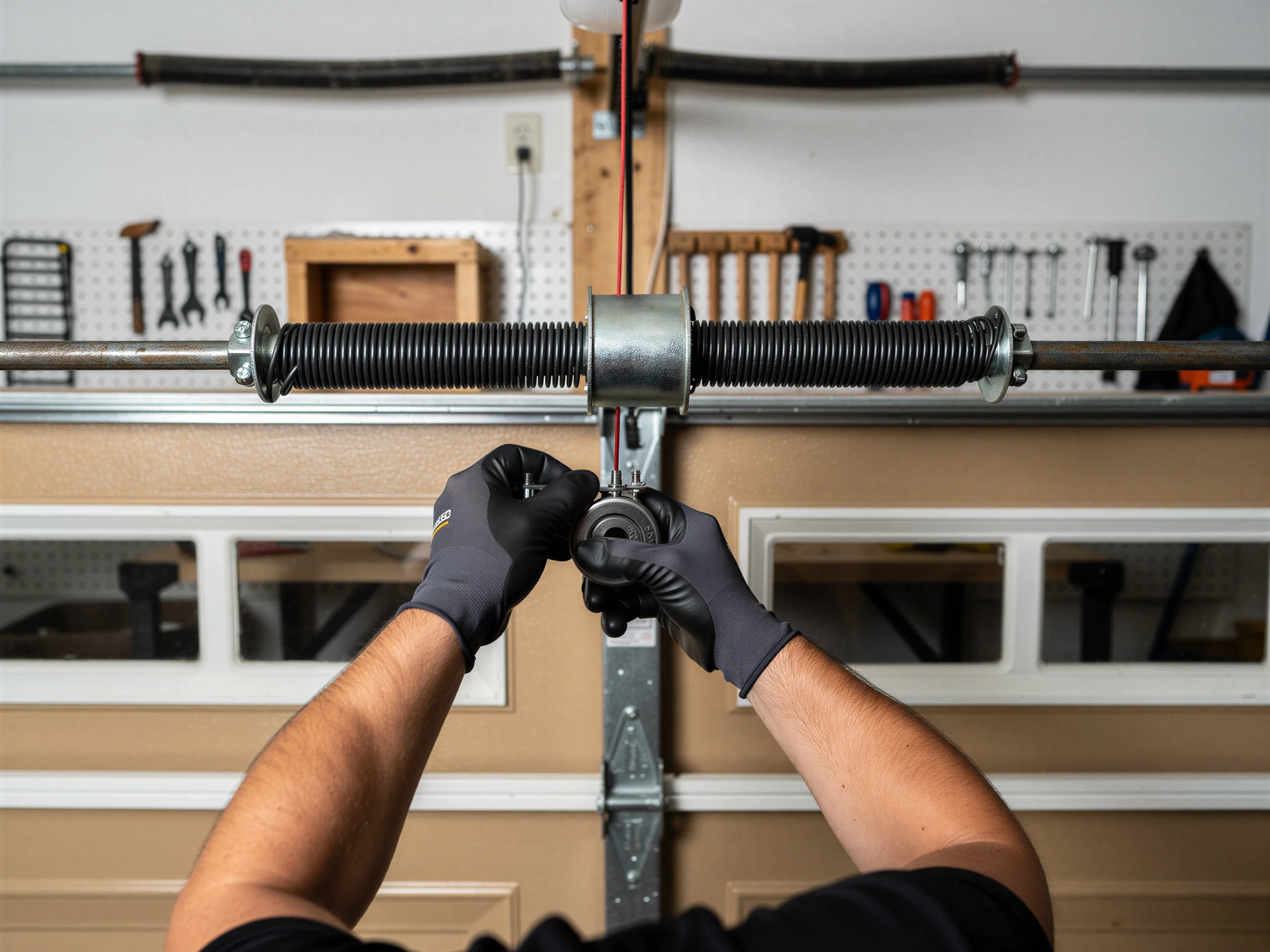
Garage Door Spring Repair Across Camarillo
Broken torsion spring on a house built in the 1960s or 70s? Learn more →Ready when you are
Need a garage door sorted in Camarillo?
Camarillo Garage Door Pros repairs and installs garage doors, springs and openers in Camarillo, CA and the surrounding area.