
Camarillo, CA
Garage Door Repair for Camarillo's 1960s-70s Housing Stock
Garage door repair in Camarillo, CA for houses built 1956-1997. We fix the springs, drums, and cables that give out first in this town's housing stock.
Popular Services
Can You Do This Yourself
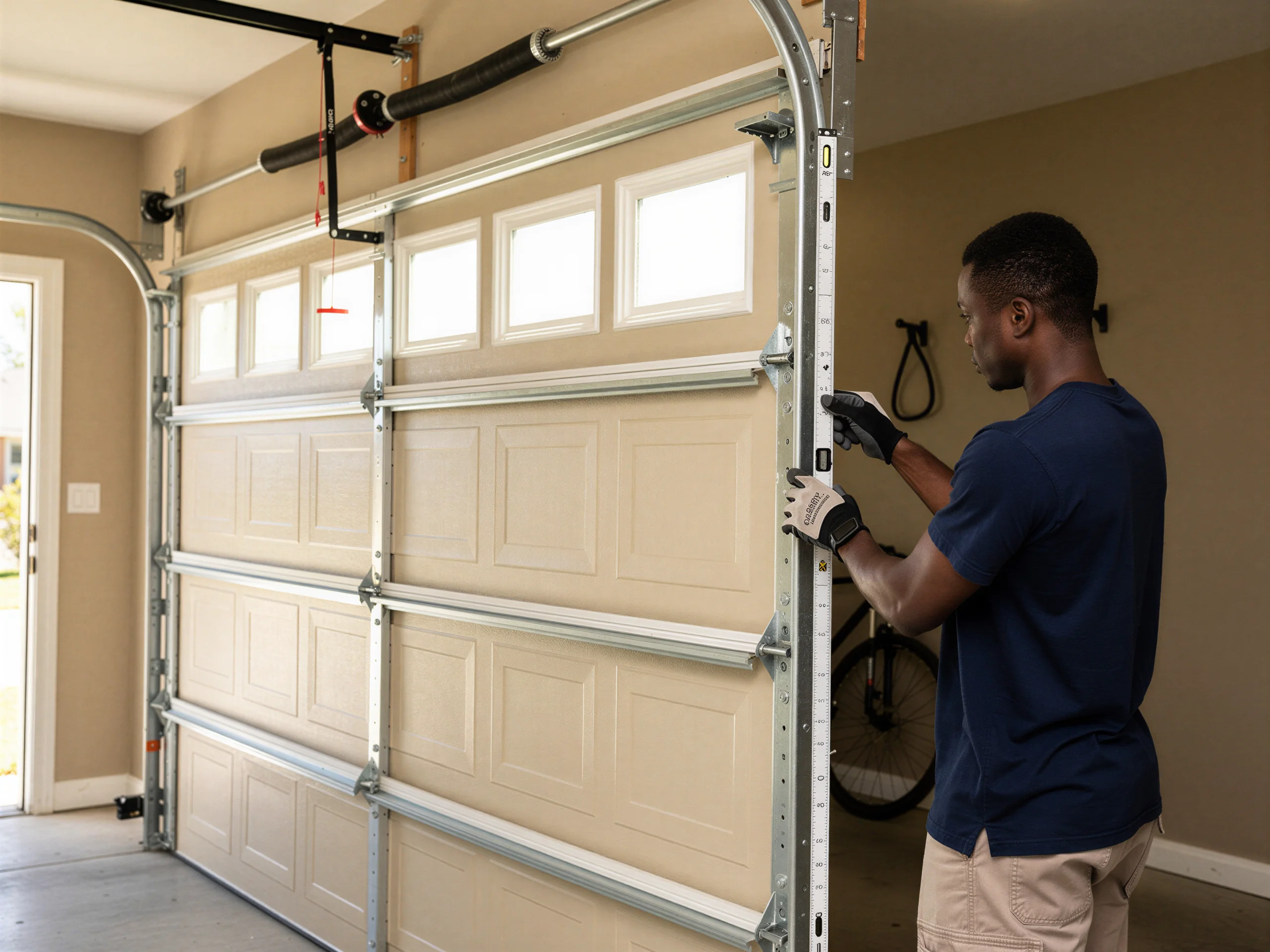
Some of it, yes. If the door won't close, check the photo-eye sensors near the floor track first - a stray cobweb or a box leaning in front of one will stop the door cold and it's a thirty-second fix.
Gaps and bumped track
Same with the track: if you can see a visible gap or a bent spot where a car bumped it, that's often enough to make the door bind or reverse on its own. What you shouldn't touch is the torsion spring over the header or the cables running down to the bottom bracket.
Winding tension danger
Those are wound under enough tension to break a bone or worse, and on a door built in the 1970s the spring and the hardware holding it have had decades to fatigue in ways you can't see from the ground. If the door feels heavy when you lift it by hand with the opener disengaged, that's a spring problem, not a lubrication problem, and it's not a weekend project.
Lubricate before calling
We'll say plainly: if your only symptom is noise and the door still opens and closes smooth, a can of white lithium grease on the rollers and hinges will quiet most of it down. Save the call for when something actually stops working.
The Symptom
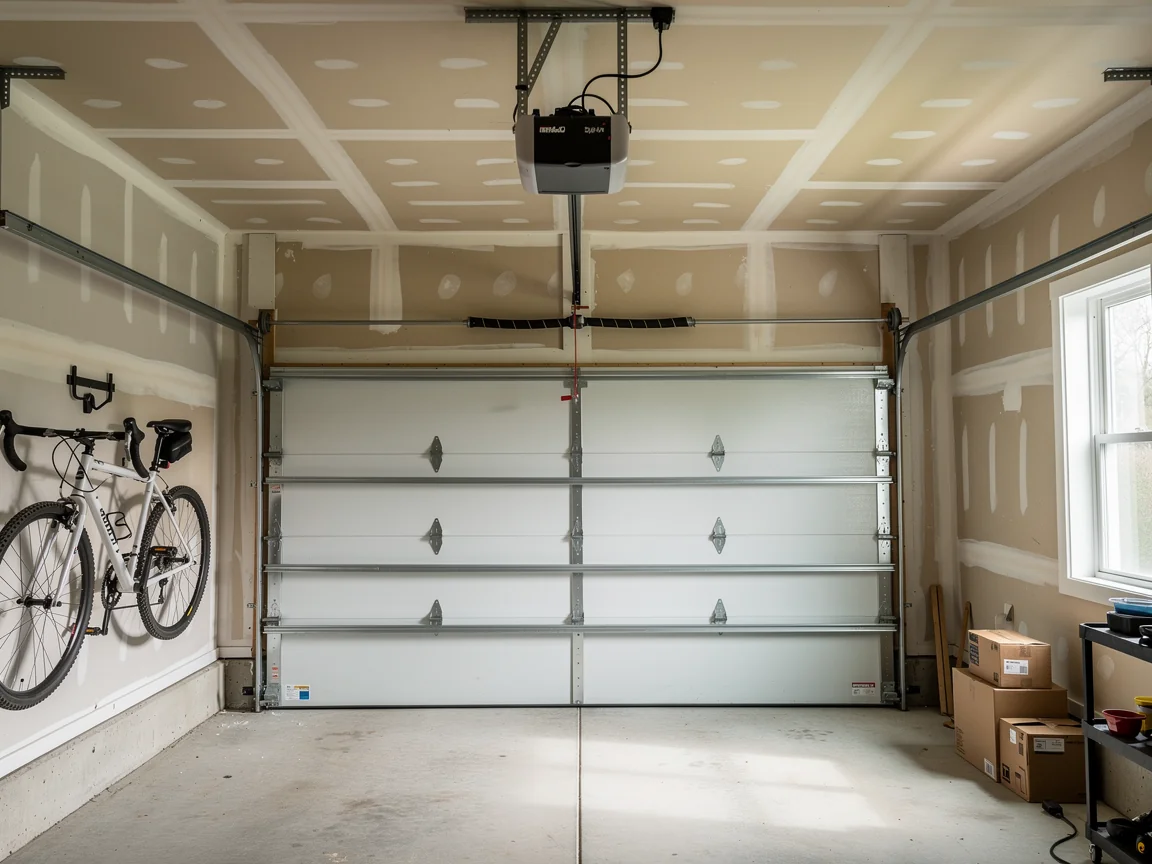
The call we get most from this part of town is a door that starts strong, then stutters or reverses a few inches off the floor - or one that groans loud enough to hear from the street before it finally moves.
Opener hums, door stalls
Sometimes it's a hard stop: the door sits half-open, the opener motor hums, and nothing happens. On a newer door that points to the opener logic board. On a door original to a Camarillo house built anywhere near that 1976 median, it almost always points to the drums, the cable, or the torsion spring losing the tension it's held for forty-plus years.
Opener overloaded by weight
The door gets heavier than the opener was ever asked to lift, the opener strains, and the safety reverse kicks in - which is the system doing its job, not malfunctioning. A second version of the same symptom is a door that drops fast the last foot or two instead of settling down slow.
Uneven coil tension
That's a spring that's lost coil tension unevenly, and it usually means one side is carrying more load than the other. Left alone, that uneven load is what eventually snaps a cable or pulls a drum off its shaft.
What Causes It Around Here
Camarillo's housing mostly went up between 1956 and 1997, with the median sitting at 1976, and across the fourteen named areas in this part of the county the bulk of it is 1960s and 70s construction. That matters for one specific reason: torsion springs are rated by cycle count, not by calendar years, and a door that's opened and closed twice a day for close to fifty years has run through far more cycles than the spring was built for.
The climate here is mild temperate, so we don't get the freeze-thaw cracking or the extreme heat swings that take springs out fast in other parts of the country. That's actually part of the problem - nothing forces an early replacement, so original hardware just keeps running past its design life quietly, one cycle at a time, until it doesn't.
The other piece is the doors themselves. A lot of the original units from that era are single-layer steel or wood panel doors with drums and rollers sized for that door's original weight. When a panel warps slightly over the decades or someone swaps in a heavier replacement door without upgrading the spring, the whole lift system is working outside its original spec every single day.
Where This Job Goes Sideways
The job that should take an hour turns into two when the cable has come off the drum and wrapped around the shaft, which happens more often than you'd think on these older doors once a spring starts losing even tension.
Bent bottom bracket
By the time that happens, the bottom bracket on one side is usually bent too, and that's a part we may need to order rather than carry on the truck. It also goes sideways when someone's tried to force the door past a jam - pulling the release cord and muscling it up by hand, or leaning on the opener to push through resistance.
Forced opener strips gear
That's how you strip an opener's drive gear or bend the track far enough that it needs full replacement instead of a realignment. Here's the honest limitation: if a door is original to a house from the 1960s or early 70s and the drums, cables, and springs are all original too, repairing just the failed part sometimes isn't worth it.
Full-system replacement math
Once we're replacing springs, drums, and cables on the same call, you're close enough to the cost of a full new lift system that patching the old one stops making financial sense. We'll tell you straight when we're at that line instead of running up a repair bill on hardware that's circling the end of its life anyway.
Questions
Common questions
Why does my garage door reverse halfway up?
On a Camarillo house with an original door from the 1960s-70s era, this is almost always a torsion spring that's lost tension after decades of cycles. The opener senses the extra load and reverses as a safety response. It's not the opener malfunctioning - it's doing exactly what it should when the door gets too heavy to lift safely.
Is it the mild weather here that wears out springs?
No. Camarillo's mild temperate climate means springs here fail mostly from fatigue and cycle count rather than from ice or extreme heat stress. The flip side is nothing forces an early swap, so original springs often run well past their design life before anyone notices.
Can I just replace the one broken cable myself?
You can look at it, but we don't recommend doing the repair yourself. A cable under tension connects directly to the spring system, and on an older door the drum and bracket are often worn too. Fixing just the cable without checking the rest can mean another failure within weeks.
My house is from the 1970s - should I expect more of these calls?
If the drums, cables, and spring are still original, yes. Houses built around Camarillo's 1976 median age are hitting the point where that original hardware has run far more open-close cycles than it was built for, so symptoms like reversing, grinding, or uneven drop tend to show up now rather than later.
Explore more
Explore More Services In Camarillo, CA
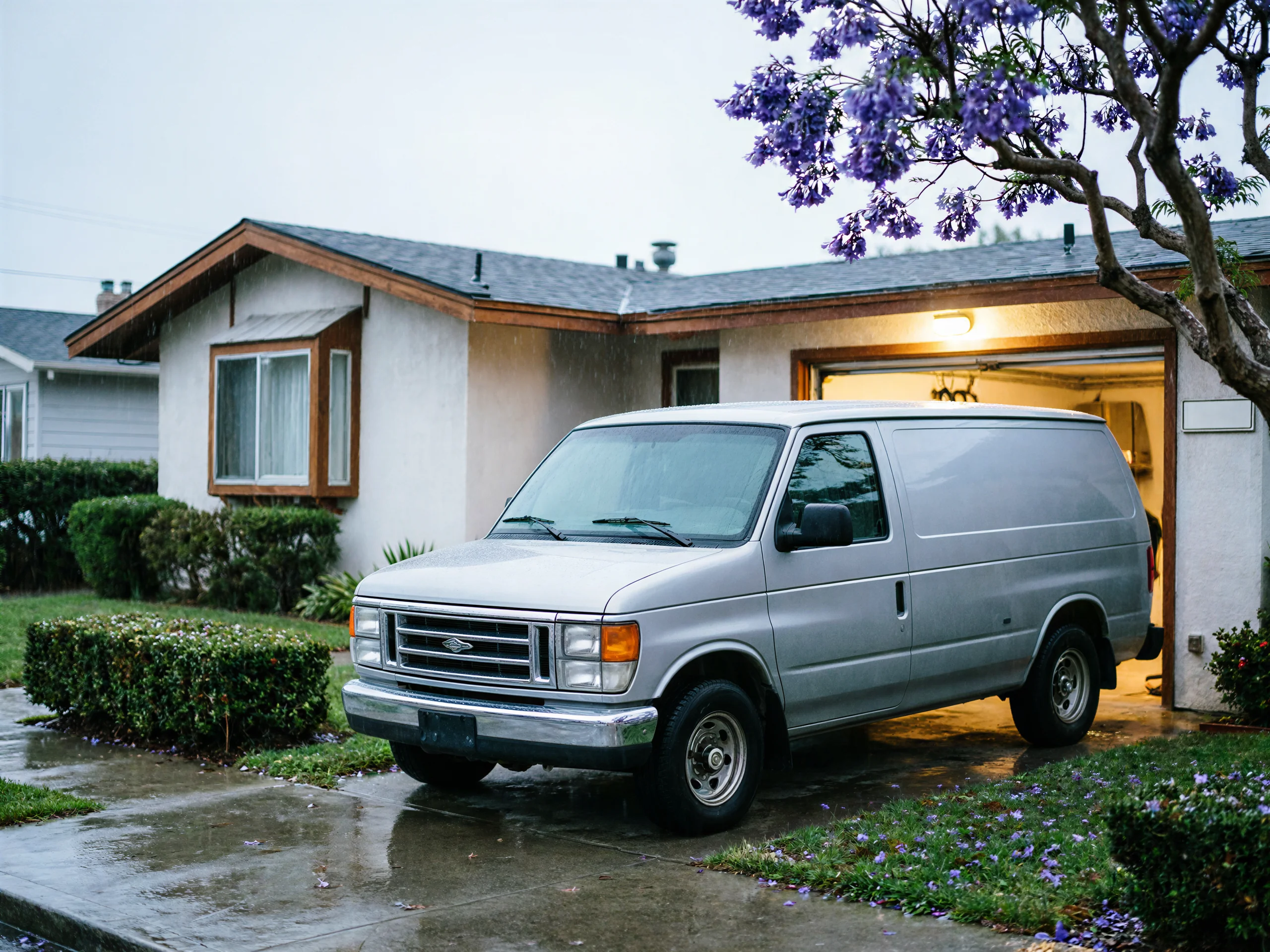
Emergency Garage Door Repair Across Camarillo
Broken spring, off-track door, or dead opener in Camarillo. Learn more →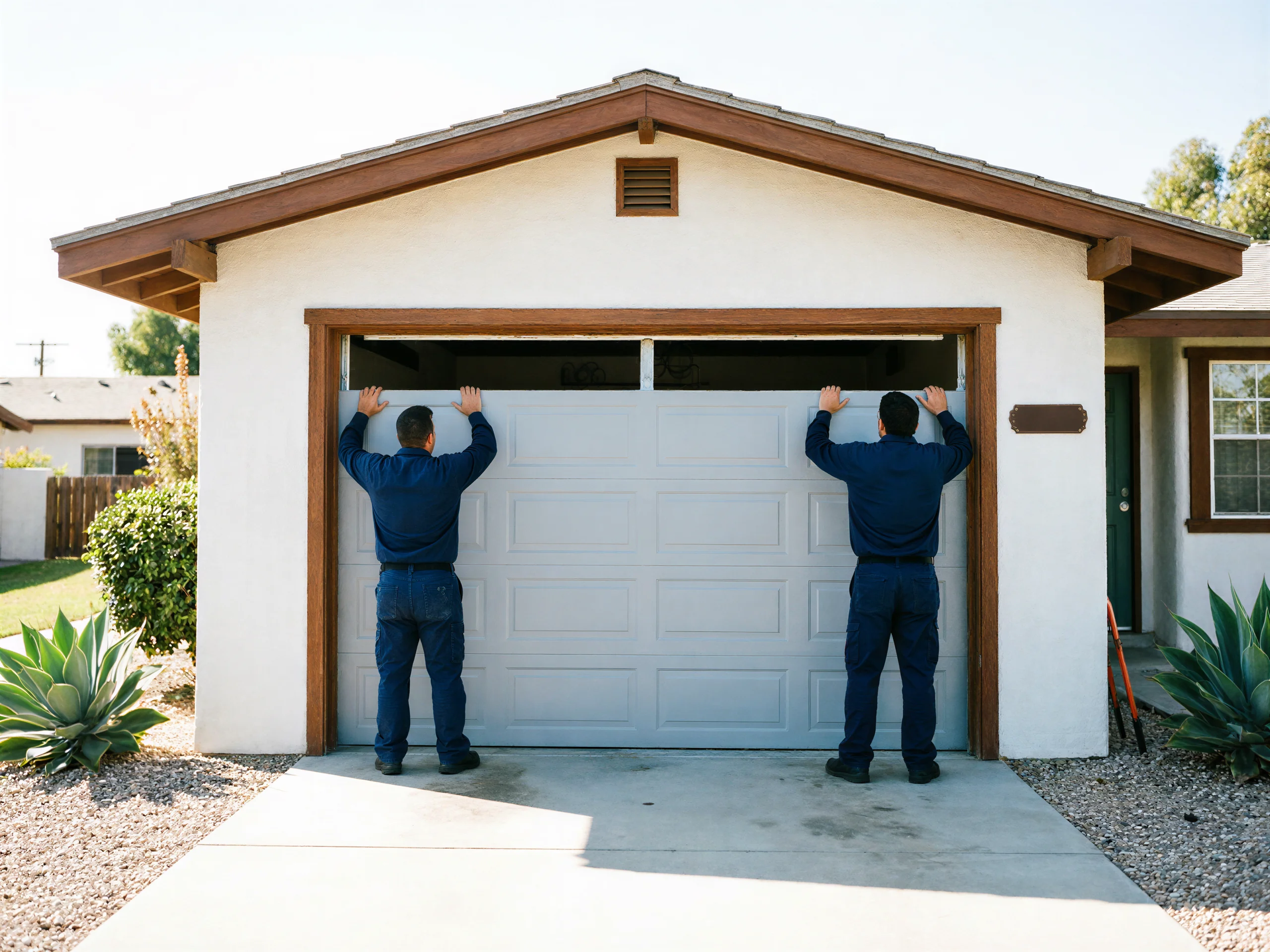
Replacing a Garage Door in Camarillo: What the Housing Stock Here Actually Needs
Camarillo's housing stock runs 1956 to 1997, median 1976, which means a lot of original doors and openers are past their working life. Learn more →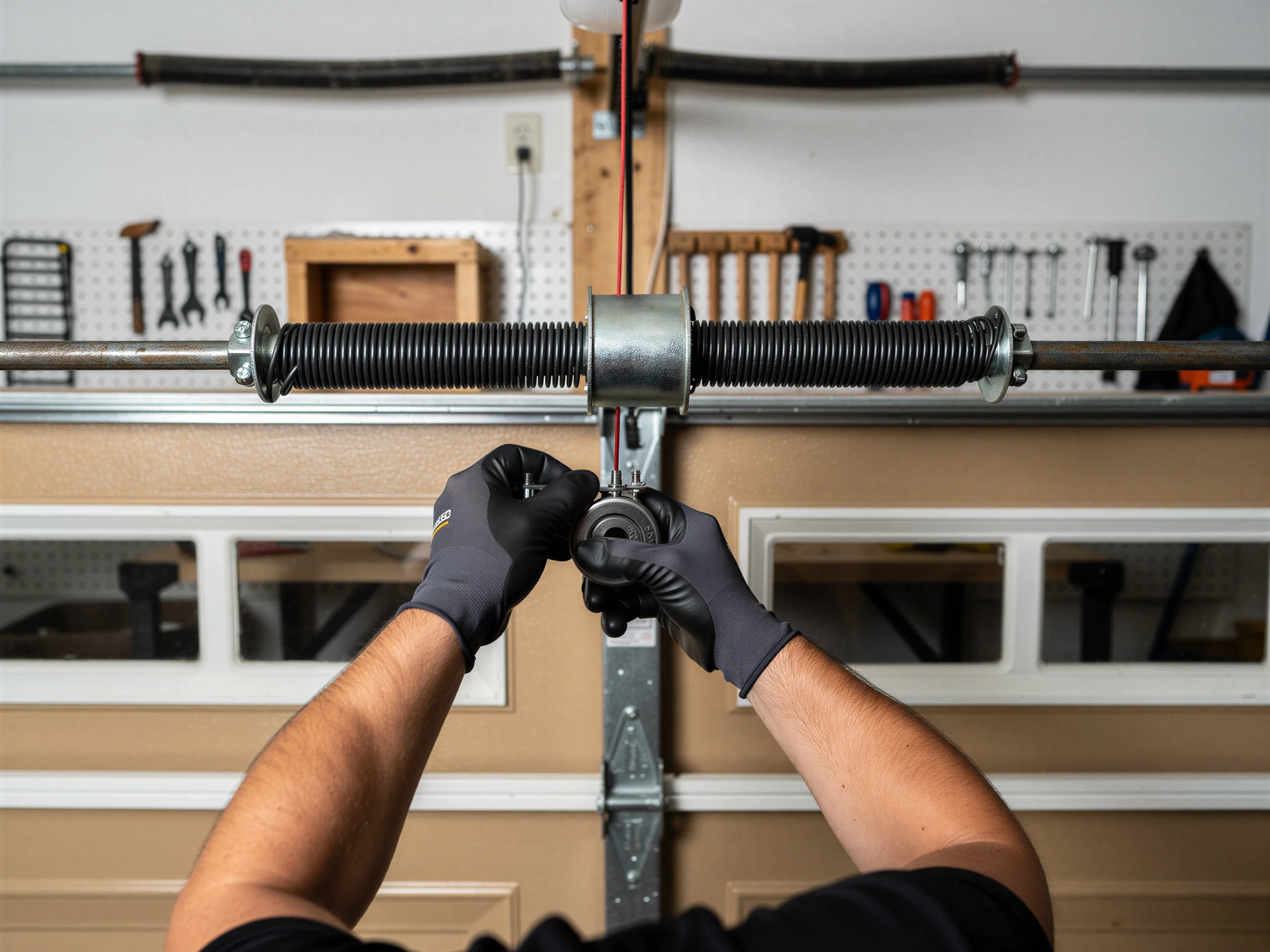
Garage Door Spring Repair Across Camarillo
Broken torsion spring on a house built in the 1960s or 70s? Learn more →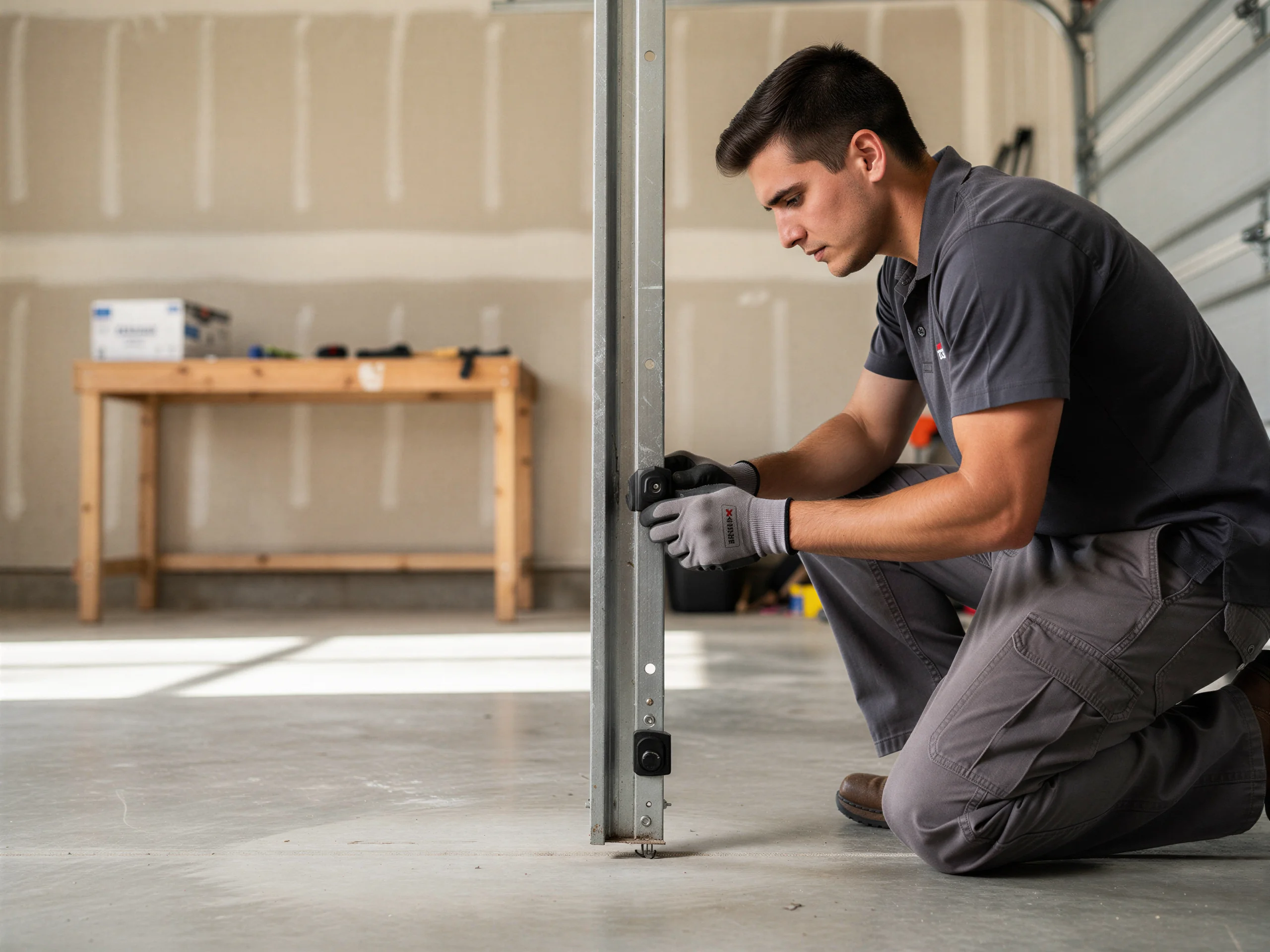
Camarillo Garage Door Service for Houses Built the Year Your Spring Was Installed
Camarillo homes built mostly between 1956 and 1997 still run original torsion springs and rollers. Learn more →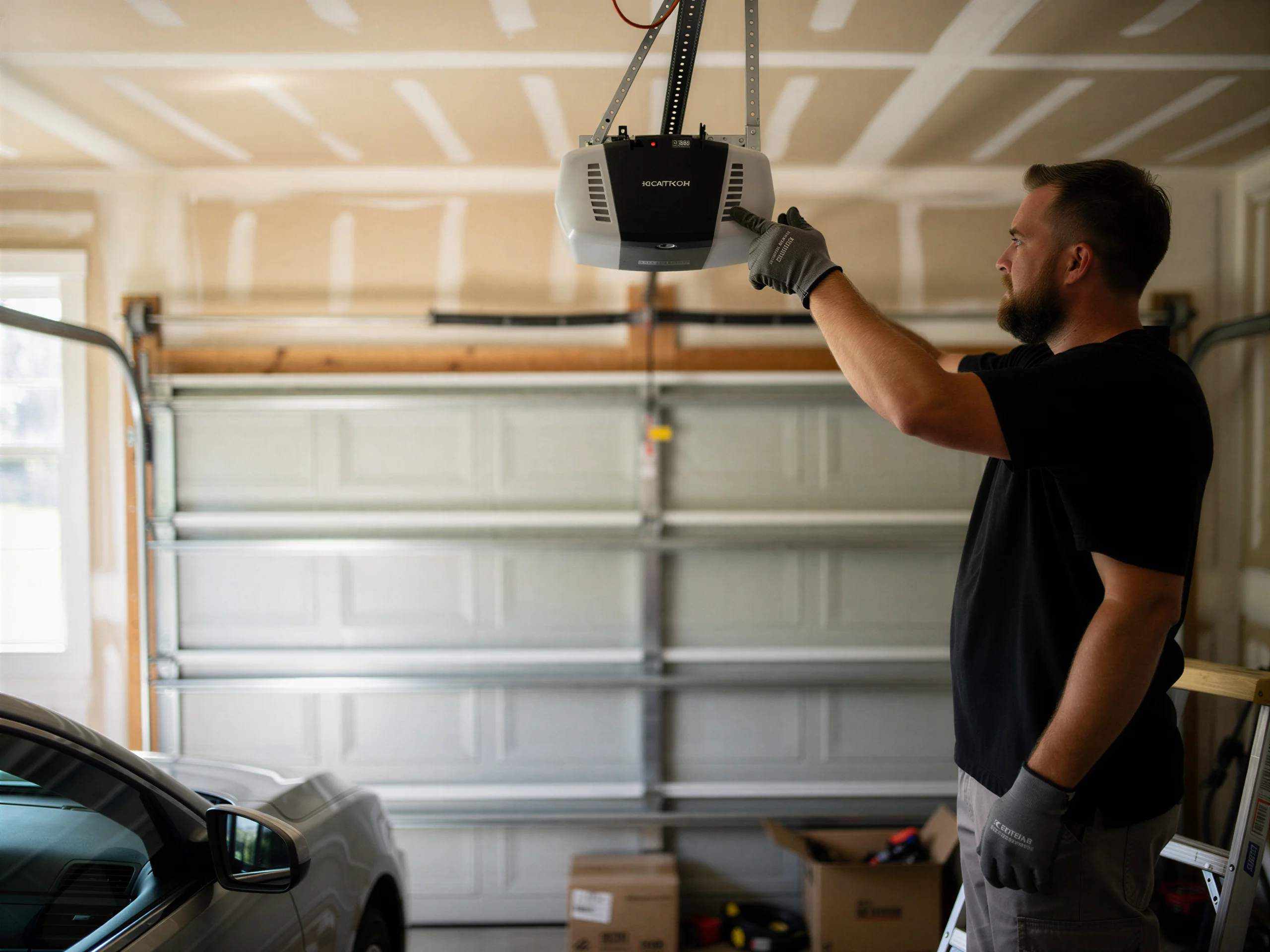
Garage Door Opener Repair for Camarillo Homes
Opener grinding, reversing, or dead on arrival? Learn more →
Garage Door Maintenance for Camarillo Homes
Camarillo homes built between 1956 and 1997 wear garage door hardware differently than newer tract construction. Learn more →Ready when you are
Need a garage door sorted in Camarillo?
Camarillo Garage Door Pros repairs and installs garage doors, springs and openers in Camarillo, CA and the surrounding area.