Local detail
What Most People Get Wrong
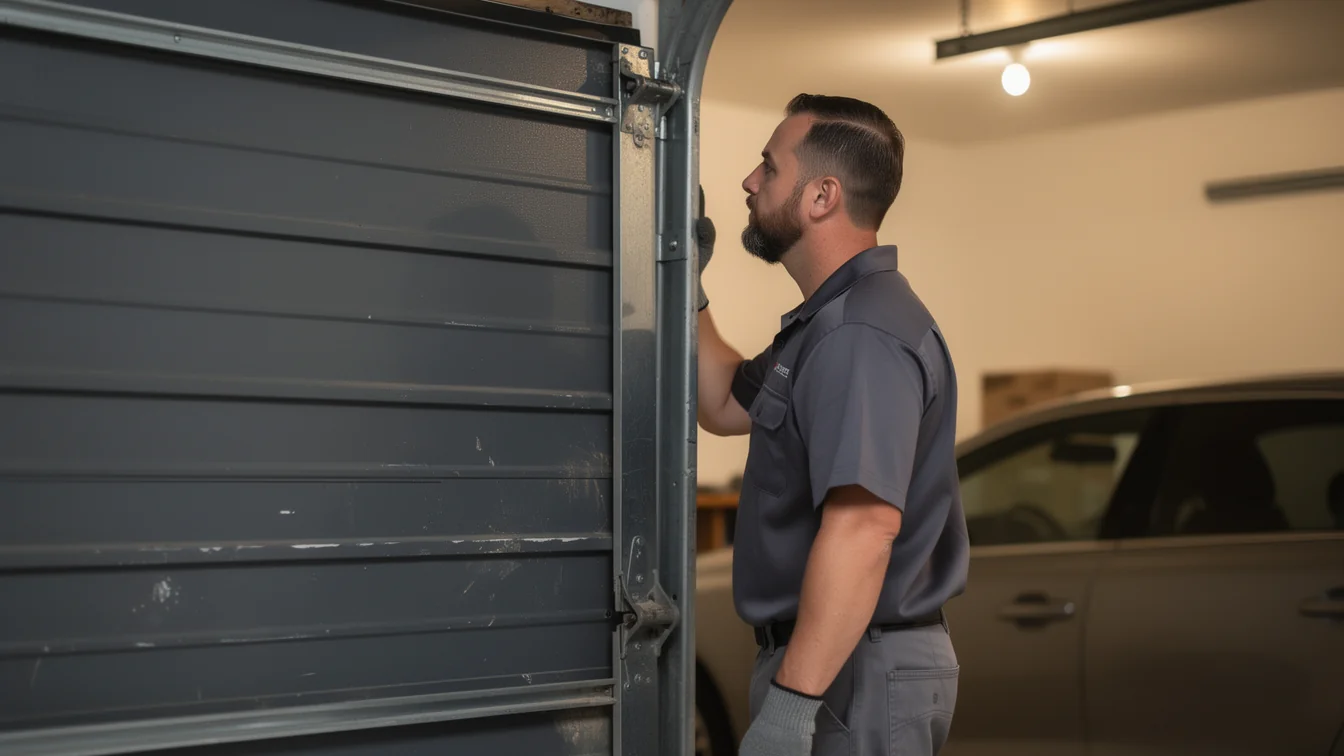
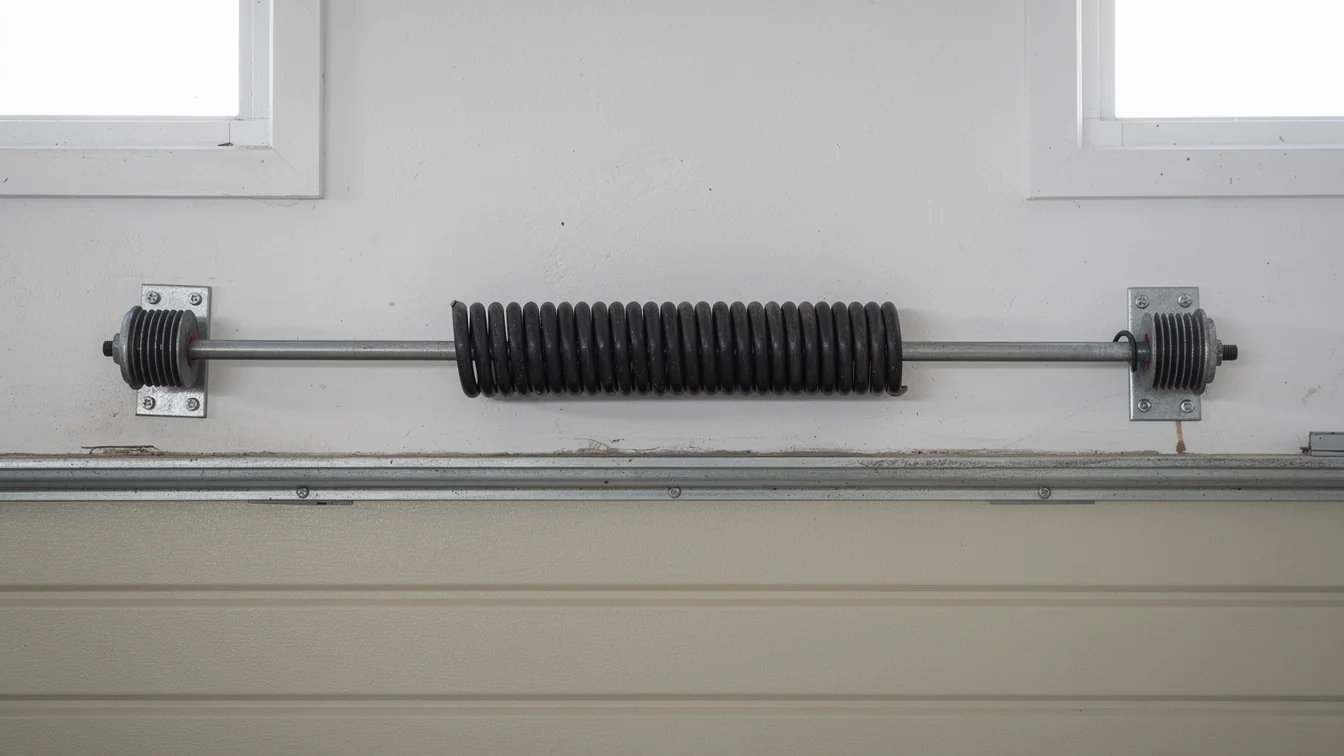
Most callers think a service call is just a quick look at whatever is making noise. It isn't, and in a town where most houses went up between 1956 and 1997 with a hard cluster in the 1960s and 70s, the wrong assumption costs money. People assume their door is "basically new" because the house doesn't look old, but a lot of these homes still carry original torsion hardware from the build year - springs rated for a door weight nobody's checked since, drums that don't match current cable sizing. A tech who just lubes the track and calls it done is skipping the part that actually matters: finding out which era of hardware is on the wall and whether it's still rated for the door it's holding up. On a 1976-median-year house, that's not a maintenance visit, that's a safety check. We've seen enough of the 14 named areas around here to know the hardware doesn't always match the house's apparent age - additions and replacement doors get bolted onto original springs more often than you'd think.
The area
Checking It Yourself
You can do a few things before you call. Pull the manual release and lift the door by hand - if it doesn't stay roughly level on its own, a spring is losing tension, which is common on hardware from the 1960s-70s stock still running in a lot of these homes. Look at the bottom bracket cables for fraying, and check that the track mounting bolts aren't working loose from decades of thermal cycling. That last part matters here specifically: Camarillo's mild temperate climate means we don't get the hard freeze-thaw that snaps brackets elsewhere, so most of what loosens hardware here is just age and daily cycling, not weather extremes. What you can't check yourself is spring tension or cable wear depth - those need a gauge and some practice, and getting it wrong with a torsion spring under load is how people get hurt. If the door is noticeably heavier on one side when you lift it, stop and call.
What we find
The Situation
Across the service area there are roughly 25,364 owner-occupied houses out of 51,208 households, and a lot of them are sitting on garage door hardware that's older than the current owner. With median household income here at $126,937, most people replacing a door are doing it by choice, not because they can't afford a repair - which changes the conversation. A service call on a 1970s-era door is often the moment where we tell someone the spring repair is fine, but the opener motor is original and worth retiring too. We're not going to sell a full replacement on a door that just needs a spring and a new set of rollers; that's the honest limitation here - sometimes the repair is cheap and that's the right call, full stop.
How we work
What Local Conditions Do
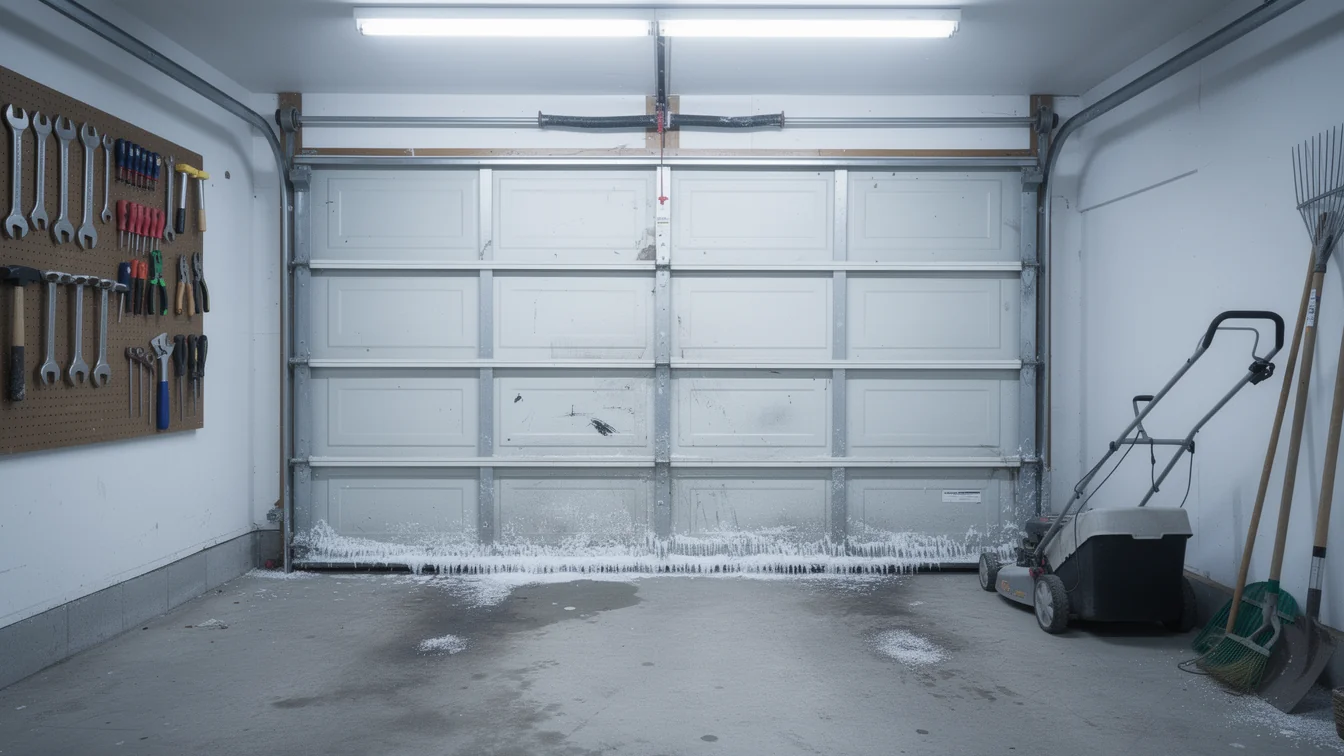
The mild temperate climate that covers Camarillo and nearby spots like Somis and Santa Rosa Valley doesn't put the stress on doors that you'd see in a place with real winters - no ice jamming tracks, no deep freeze cracking seals. What it does instead is let wear happen slowly and quietly. Steel hardware doesn't get stress-shocked, it just ages on schedule, and on a house built in the 1976 median year that means thirty-plus years of slow metal fatigue with no dramatic failure to prompt a look. That's why so many service calls here turn into "this spring was due for replacement a few years ago" rather than "this spring just snapped this week." It's also why a visual check every so often catches more here than it would somewhere with harsher weather forcing problems to the surface faster.
Talk to a local pro
Garage door trouble in Camarillo?
Same-day service with honest, upfront quotes.