Local detail
What Most People Get Wrong
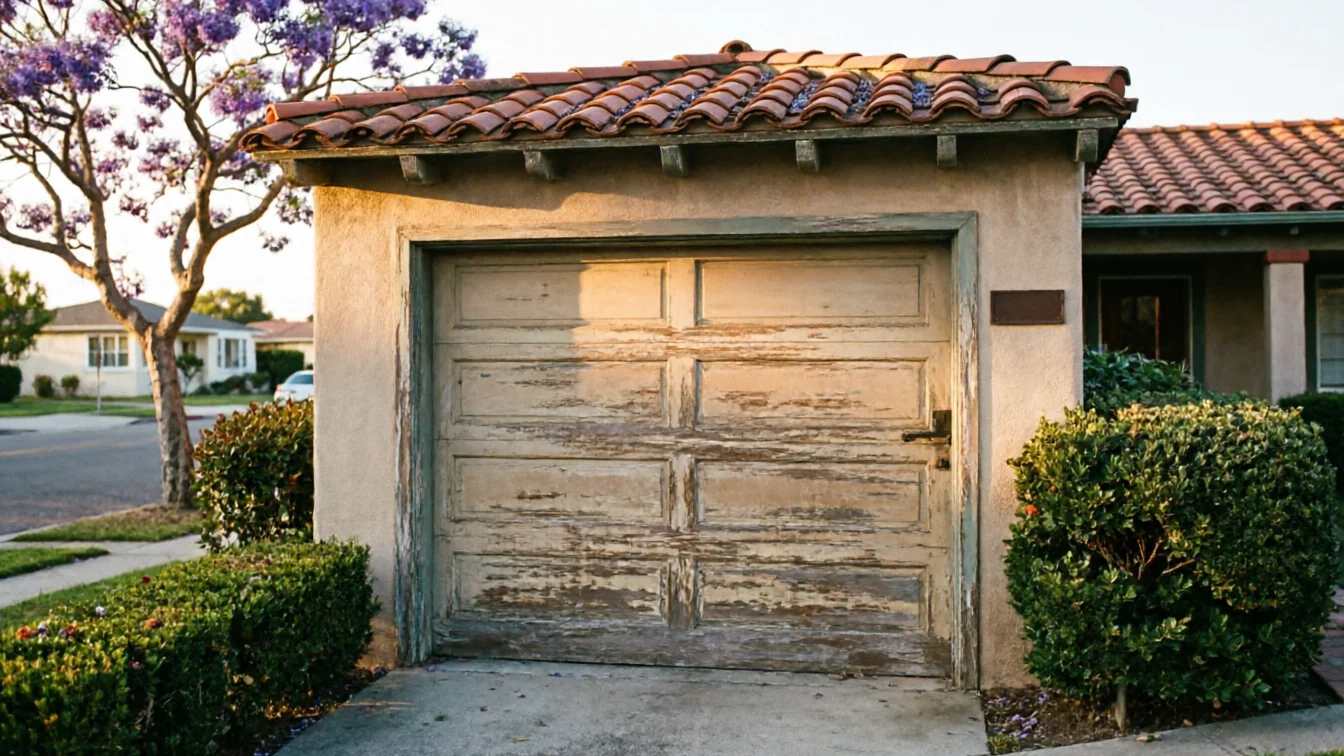
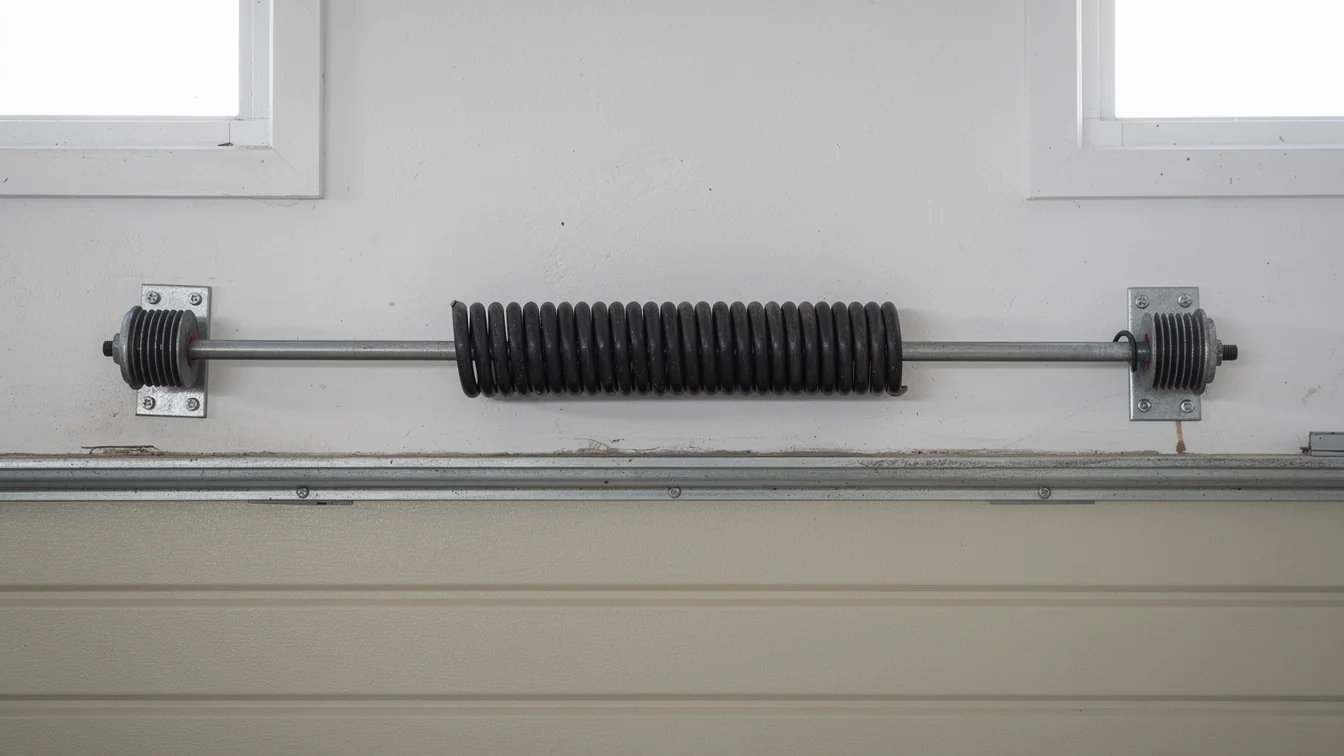
Most Camarillo homeowners hear a new sound from the garage door and assume it just needs oil. Sometimes that's true. But the housing stock here went up mostly between 1956 and 1997, with a median build year around 1976, and across the 14 named areas that make up this service territory you've got a lot of doors still running original torsion hardware from that era. A squeal on a door that old isn't the same problem as a squeal on a door installed five years ago. The spring, the drum, the bearing plate - they've all had forty-plus years to wear, and a quick spray of WD-40 masks the sound without fixing what's actually loosening. The other common mistake is ignoring a grinding noise because the door still opens. On older torsion setups, grinding usually means the bearing at the center support is failing, and that part doesn't get better with time or lubricant. It gets replaced, or it seizes.
The area
Checking It Yourself
Start by watching the door move, not just listening. A rhythmic thump every few feet usually means a flat spot on a roller - common on the nylon and steel rollers that came standard on doors from the 1960s and 70s. A single loud bang, especially on a double door, is almost always a spring, and if you hear that, stop using the opener until someone looks at it. A low rattle along the tracks on an older install often traces back to loose lag bolts in the framing, since a lot of these houses used wood jambs that have shrunk slightly over the decades. Run the door by hand with the opener disconnected, slowly, and feel for resistance or binding at the same spot every cycle - that's a track alignment issue, not a lubrication one. Write down where in the travel the noise happens. That detail, more than the sound itself, is what narrows down the cause before anyone touches a wrench.
What we find
The Situation
Camarillo sits in a mild temperate band - no hard freeze cycles, no deep thaw swells pulling at concrete or hardware. That's a real advantage over colder regions, where metal contracts and expands enough to loosen fasteners every winter. Here, the wear pattern is slower and steadier: UV and dry heat breaking down lubricant and rubber seals over years rather than cold snapping springs in a season. With 25,364 owner-occupied houses across roughly 51,208 households in the service area, and a lot of that stock dating to the 1960s and 70s, the noises we hear most are the ones tied to age and sun exposure rather than storm damage or ice. That doesn't mean the doors are quiet by default - original hardware on a 50-year-old track system makes plenty of noise long before it fails outright.
How we work
What Local Conditions Do
Mild weather is kind to garage door hardware in one way and hard on it in another. Grease doesn't harden the way it does in freezing climates, so lubrication intervals can stretch longer here. But steady sun on south- and west-facing doors dries out weatherstripping and bakes factory lubricant out of rollers and hinges faster than people expect, especially on doors original to houses built in the 1960s and 70s. That combination - old hardware, consistent heat, no cold snap to force an obvious failure - is why a lot of noise complaints in this area turn out to be slow-motion wear rather than sudden damage. One honest limitation: if a part is specific to an original installation from that era, sourcing it sometimes takes longer than homeowners expect, and at that point replacing the hardware is usually the more practical call than waiting on a matching part.
Talk to a local pro
Garage door trouble in Camarillo?
Same-day service with honest, upfront quotes.