Fillmore, Camarillo
Garage Door Service for Fillmore Homes
Fillmore homes mostly date to the mid-1970s, and median income here runs lower than the rest of the service area. Here's what that means for repair vs. replace.
Popular Services
Can You Do This Yourself
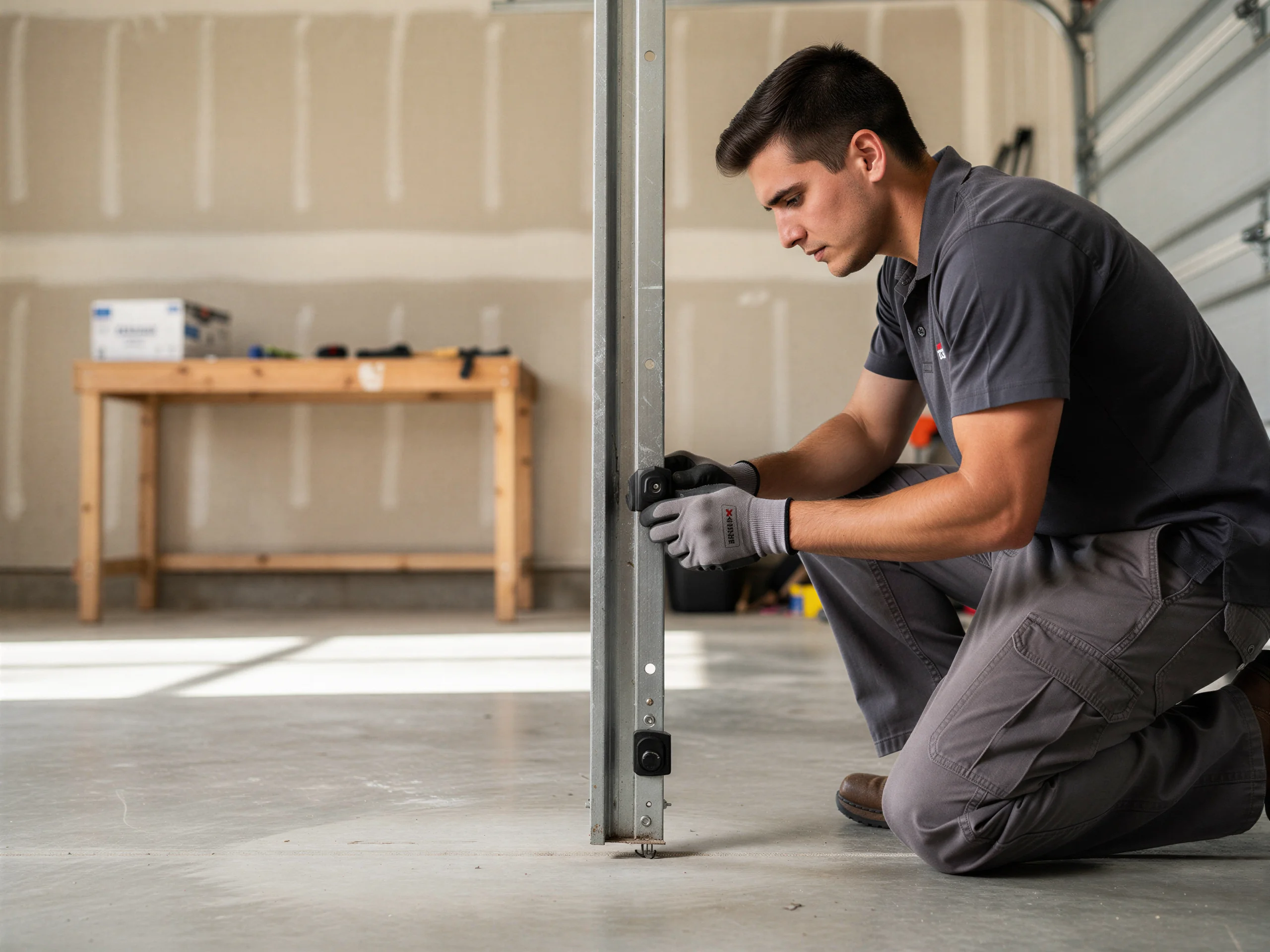
A lot of what goes wrong on a mid-1970s door is within reach of a homeowner with basic tools: a bent bottom bracket, worn weatherstripping, a sensor that's knocked out of alignment, loose hinges that are making the door rattle.
Cables and springs excluded
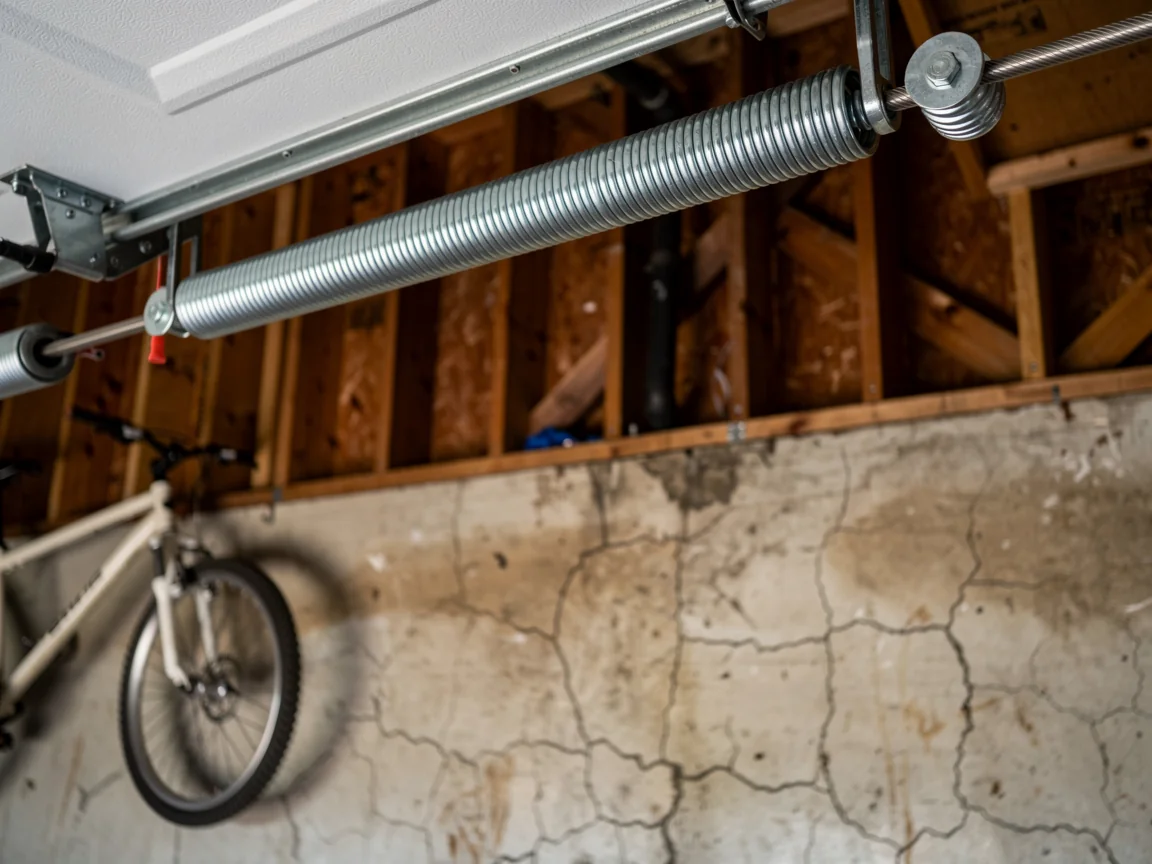
Tightening hardware and lubricating rollers and hinges is reasonable DIY work. What isn't reasonable is anything involving the torsion spring or the cables under it. These are wound under enough tension to break bones if they let go wrong, and on a door this old the spring has likely never been replaced, which means it's closer to failure than a newer one.
Winding cones stay untouched
If you hear a loud bang from the garage and the door won't open, that's a spring. Don't touch the winding cones. That's not caution for its own sake, it's the one repair on this list that actually hurts people.
Opener boards need pros
Opener circuit boards and logic boards are also not a good DIY project once you're past swapping the remote battery. Parts for openers from this era are getting harder to source, and guessing at a fix can turn a $150 part into a full opener replacement.
What It Costs
Median household income in Fillmore runs $90,343, noticeably below the $126,937 median across the wider service area we cover out of Camarillo. That gap matters for the repair-or-replace call: at this income level, a full door replacement is a bigger stretch of the budget, so it's worth being honest about when a repair genuinely buys you more years versus when it's a stopgap.
Spring first, then panels
On a door from the mid-1970s stock common here, a spring replacement or a cable job is almost always worth doing first - the panels and track on these doors are often still sound even when the lifting hardware has worn out.
Repairs stop paying off
Where it stops making sense is a door with multiple failed panels, rusted-through track, or an opener and springs that are all original and failing together. At that point you're paying repair prices for a door that's going to need the next repair in a year anyway.
Situation named before work
We'll tell you which situation you're in before we start work, not after. We don't quote a flat number here because the right fix depends on what's actually failing, not just the door's age.
The Symptom
Housing in the broader area runs from 1956 to 1997, with a median build year around 1976 - and Fillmore itself sits right in that window, with most homes going up around 1975.
Single-layer heavy doors
That means a specific kind of door and a specific kind of failure shows up here more than it does in newer construction: single-layer steel or wood doors on torsion springs that were sized for the door's original weight, not for the heavier insulated replacement panel a homeowner may have swapped in later.
Heavier-feeling door complaint
The common complaint we hear from this kind of house is a door that's gotten noticeably heavier to lift by hand, or an opener that strains and clicks without lifting the door at all. That's usually a spring that's lost tension gradually rather than snapped outright - it doesn't bang, it just slowly stops pulling its weight.
Misdiagnosed motor failure
Owners sometimes assume the opener motor is dying when it's actually the spring doing all the complaining. Track misalignment is the other recurring issue on houses this age, since the original track hardware wasn't always leveled to today's tolerances and 50 years of settling doesn't help.
How We Fix It
For the spring issue described above, we match the new torsion spring to the door's actual current weight, not the weight stamped on a 1975 spec sheet, since a lot of these doors have had panels or insulation added since they were built.
Re-leveling track to framing
That's the difference between a repair that holds for years and one that fails again in months. For track misalignment, we re-level and resecure the track to the framing rather than just bending it back into rough position, which is a common shortcut that doesn't last.
Original openers, thin parts
On openers, if the unit itself is original to the house, we'll say so plainly - parts for that generation of opener are thin on the ground, and a repair attempt can cost more in labor than just replacing the unit.
Fourteen-mile trip planning
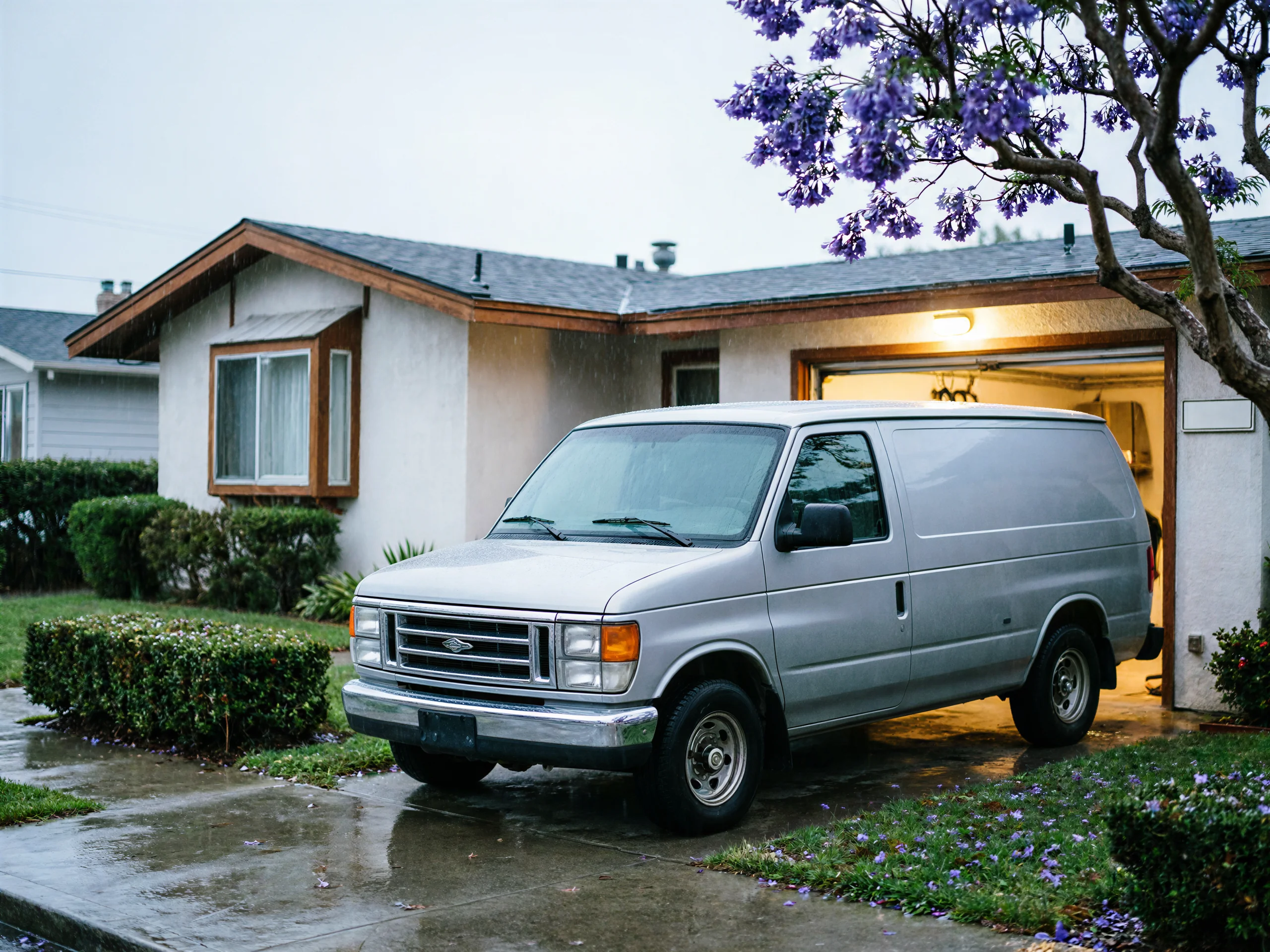
We travel out from Camarillo for every job in Fillmore, about 14 miles each way, so we schedule the visit with enough time to bring the right spring size and cable gauge rather than guessing and making a second trip.
Where This Job Goes Sideways
The honest limitation: because we're coming from Camarillo, 14 miles out, we can't offer a same-hour emergency response here the way a shop based in town could. We schedule Fillmore jobs for a specific window, and if your door is stuck open or closed in a way that's a safety or security problem, you should plan around that distance.
The other place this goes sideways is parts availability for doors and openers from the 1975 era of construction common in Fillmore. If the opener logic board or a specific panel profile isn't something we stock on the truck, we may need to order it, which adds days rather than hours. We'll tell you up front if that's the situation rather than promising a fix we can't deliver that day.
Finally, on houses where the springs, cables, opener, and track are all original and all near end of life at once, fixing one component often reveals the next one is close behind. We'll flag that during the first visit so you're not surprised by a second call a few months later.
Questions
Common questions
Do you have a branch or depot in Fillmore?
No. We're based in Camarillo and travel out to Fillmore for every job, about 14 miles each way. We schedule visits with enough lead time to bring the right parts rather than offering instant walk-up service.
Is it worth repairing an original door from the 1970s?
Often yes, if the panels and track are still sound and it's really the spring or cables that failed. Given the median income level in Fillmore, we try to steer toward the repair that gets the most years out of what you already have before recommending full replacement.
Why does my door feel heavier than it used to?
On houses built around the mid-1970s, this is almost always a torsion spring that's lost tension gradually rather than a sudden failure. The opener straining or clicking without lifting the door is the same symptom from a different angle.
Explore more
More Services in Fillmore
Emergency Garage Door
Broken spring or jammed door in Fillmore? Learn more →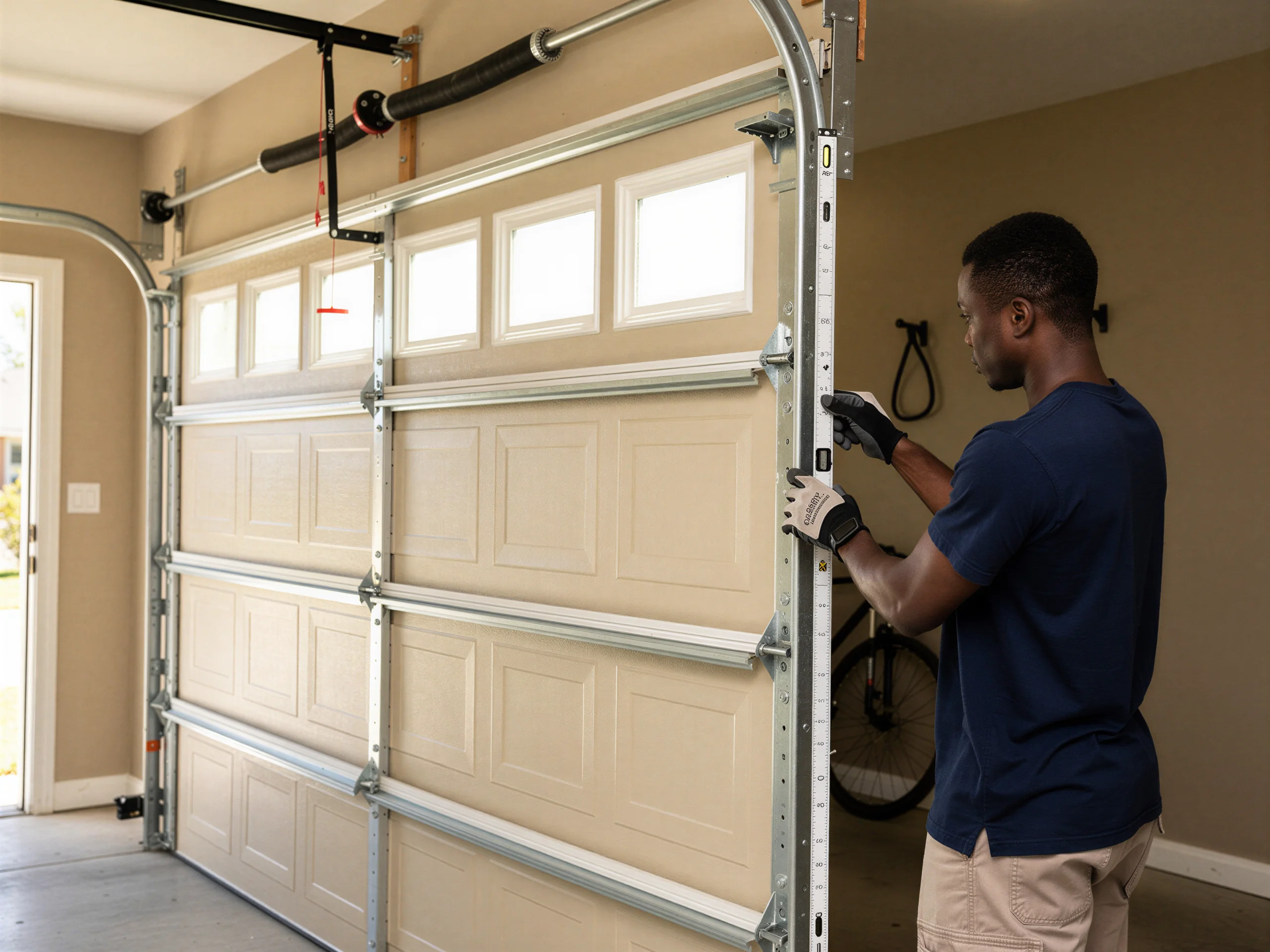
Garage Door Repair
Fillmore homes mostly went up in the mid-1970s, which means specific torsion spring and track problems. Learn more →
Maintenance
Most Fillmore garages went up around 1975 with hardware that's never been serviced. Learn more →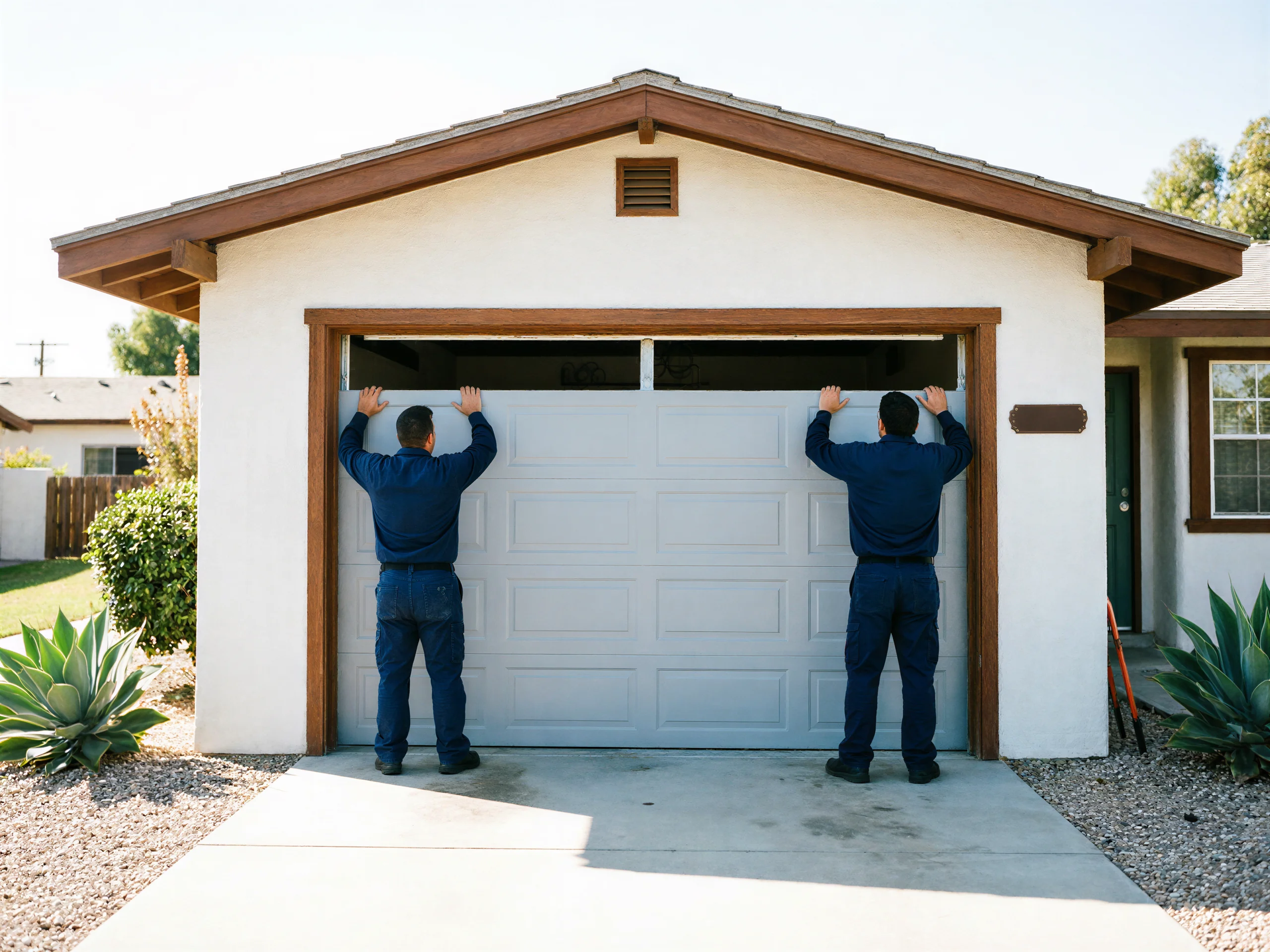
New Door Installation
Fillmore homes cluster around 1975 construction, different from the rest of our Camarillo service area. Learn more →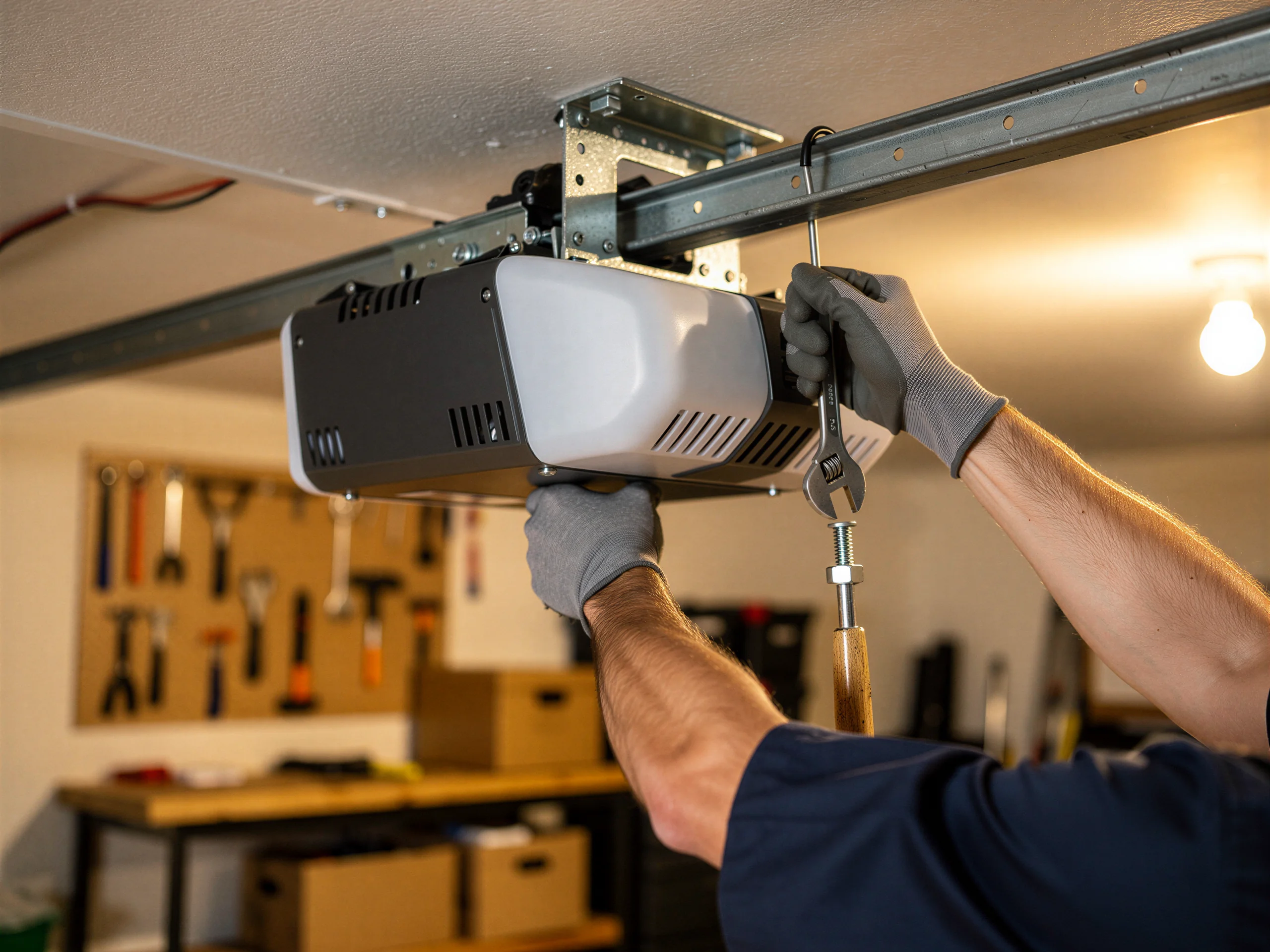
Opener Installation
Fillmore homes built around 1975 often carry lightweight steel doors that need bracing before a new opener goes on. Learn more →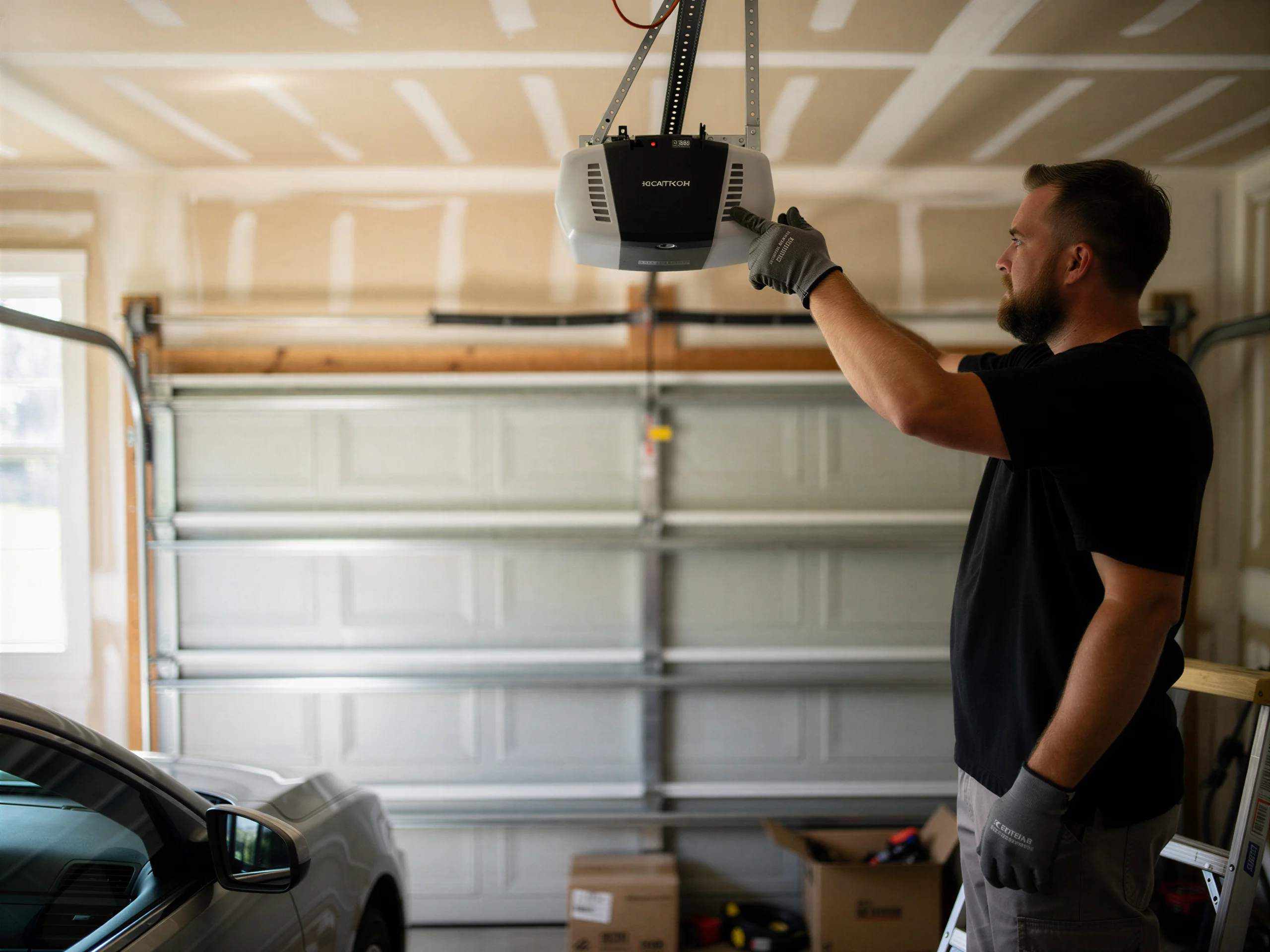
Opener Repair
Fillmore homes mostly went up around 1975, often with openers added years after the door itself. Learn more →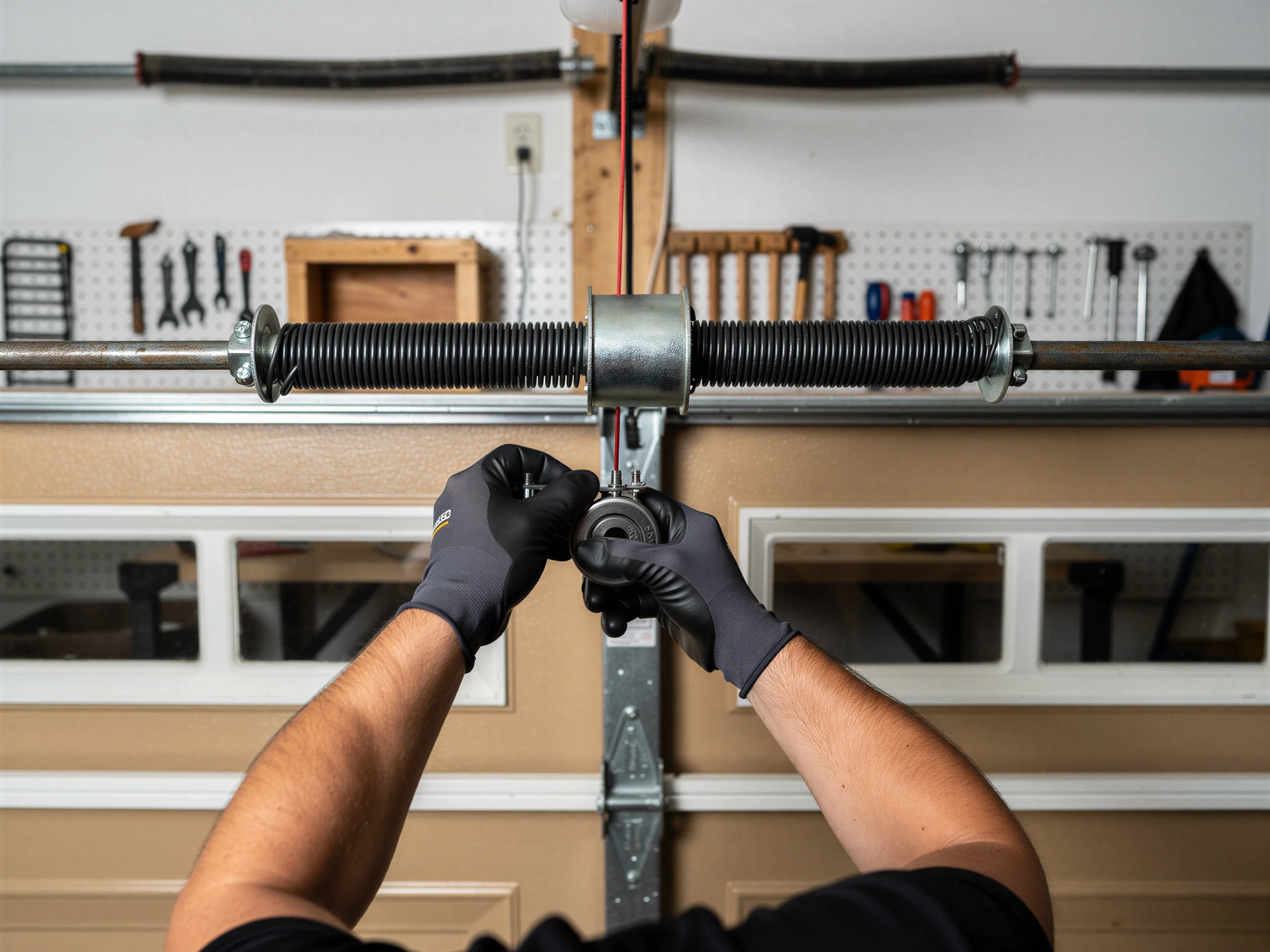
Spring Repair
Fillmore homes went up mostly in the mid-1970s, so original torsion springs are failing now. Learn more →Ready when you are
Need a garage door sorted in Camarillo?
Camarillo Garage Door Pros repairs and installs garage doors, springs and openers in Camarillo, CA and the surrounding area.